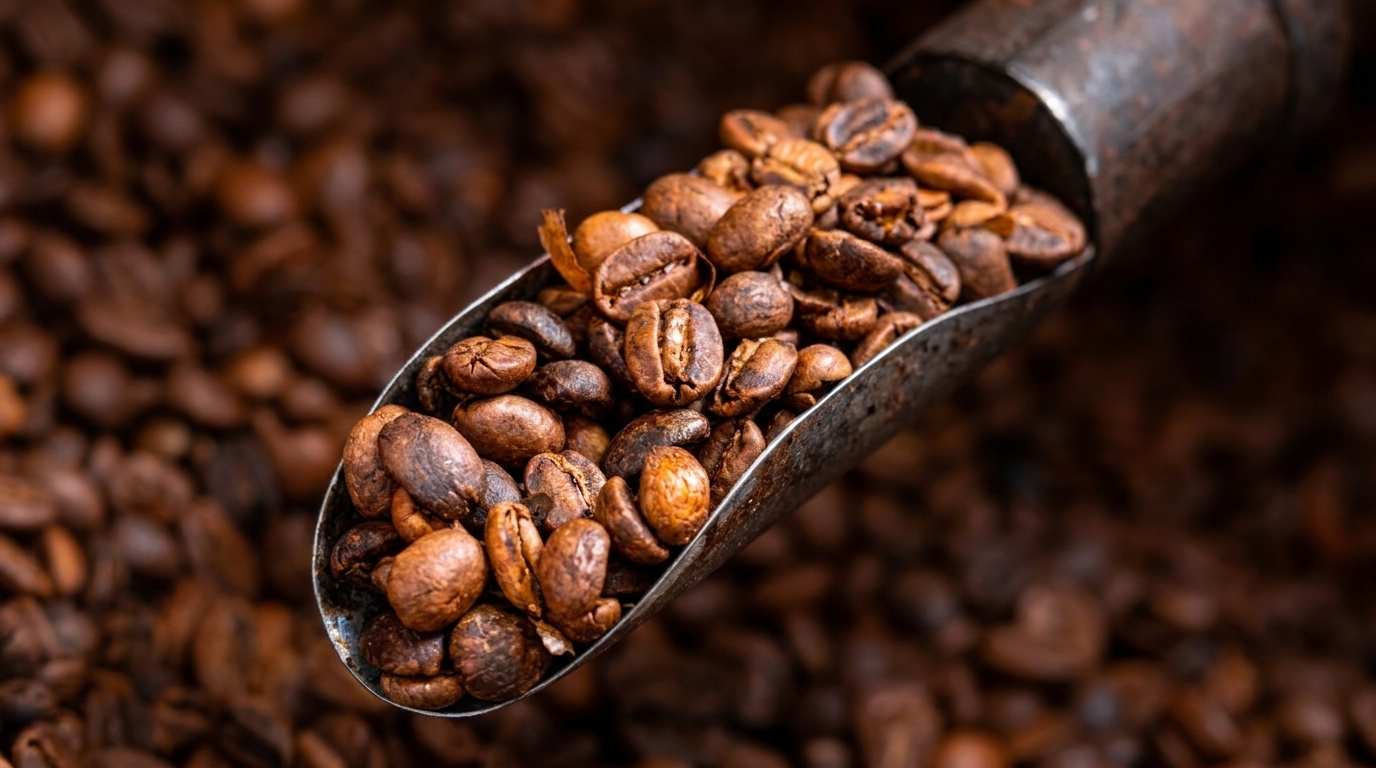
Arabica and Robusta are the two most common types of coffee in the world. They differ in taste, aroma, bean appearance, growing conditions, and how they are commonly used. Arabica is generally valued for its smooth taste, mild acidity, and fruity notes. Robusta has a stronger, richer flavor and is often used in espresso and coffee blends.
Let us take a closer look at the differences between Arabica and Robusta and find out which type of coffee may be the right choice for you.
What Is Arabica Coffee?
Arabica is coffee made from the beans of the Coffea arabica plant. It originated in Ethiopia and is the most widely produced type of coffee in the world. Arabica accounts for approximately 60% of global coffee production.
The name “Arabica” is believed to have appeared after coffee traveled from Ethiopia to the Arabian Peninsula in the seventh century.
Where Is Arabica Grown?
Arabica grows best in tropical climates near the equator. The plant thrives at higher elevations, which is why Arabica coffee plantations are often located on hillsides and mountain slopes. Some of the main countries where Arabica is grown include:
- Brazil (the world’s largest producer);
- Colombia;
- Ethiopia;
- Guatemala;
- India.
What Does Arabica Taste Like?
The taste of Arabica depends on the growing region, climate, soil, and roasting method. The coffee may typically contain:
- fruity notes;
- mild sweetness;
- nutty flavors;
- cereal-like notes;
- noticeable acidity.
Because of its light and complex flavor, Arabica works exceptionally well in milk-based drinks, filter coffee, cappuccino, latte, and other smooth coffee beverages.
What Is Robusta Coffee?
Robusta is coffee made from the beans of the Coffea canephora plant. It accounts for approximately 30% to 40% of global coffee production.
The name “Robusta” refers to the plant’s hardy and robust nature. It can grow at lower elevations and tolerate a much wider range of climatic conditions. Robusta plants are also significantly more resistant to pests, insects, and unfavorable weather.
Where Is Robusta Grown?
The main Robusta-growing regions include Africa, India, Indonesia, and Southeast Asian countries (especially Vietnam). Because of the plant’s resilience, Robusta is generally much easier to grow than the delicate Arabica.
What Does Robusta Taste Like?
Robusta has a stronger and more intense flavor. It often contains:
- woody notes;
- nutty flavors;
- cereal-like notes;
- noticeable bitterness;
- a dense and powerful aftertaste.
Robusta is especially suitable for espresso because it gives the drink more strength and helps create a thick, lasting crema.
The Main Differences: Arabica vs. Robusta
- Taste: Smooth, aromatic, slightly acidic with fruity notes.
- Plant: Grows 2.5 - 4.5 meters tall. Requires stable, high-altitude climates.
- Best For: Filter coffee, lattes, cappuccinos, specialty drinks.
- Taste: Strong, bitter, fuller flavor with woody notes.
- Plant: Can grow up to 6 meters. Highly resilient to heat and pests.
- Best For: Espresso blends (provides strength and crema).
How to Tell the Beans Apart Visually

Arabica beans are elongated with a wavy crease, while Robusta beans are smaller, rounder, and have a straight crease.
Photo source: cafeauk.com
🔄 Can Arabica and Robusta Be Blended?
Yes, Arabica and Robusta are very often combined in coffee blends! This makes it possible to create a perfectly balanced flavor profile. Arabica adds aroma, smoothness, and fruity notes, while Robusta provides strength, richness, and a fuller texture. For example, a classic Italian espresso blend often consists of 80% Arabica and 20% Robusta.
Which Tastes Better: Arabica or Robusta?
There is no single correct answer because Arabica and Robusta have very different flavor profiles.
- Arabica may be a better choice for people who enjoy: smooth coffee, fruity or nutty notes, mild acidity, and a rich aroma.
- Robusta may appeal to those who prefer: strong coffee, noticeable bitterness, a dense flavor, and an intense, highly caffeinated espresso.
Keep in mind that the final taste in your cup is also heavily influenced by the quality of the beans, the roast level, the freshness of the coffee, and your chosen brewing method.
How to Choose the Right Coffee
When choosing coffee, pay attention not only to the type of beans but also to the composition of the blend listed on the bag. Coffee made from 100% Arabica usually has a smoother and more aromatic flavor. Arabica or a blend with a small percentage of Robusta works beautifully for milk-based coffee drinks. However, for a strong morning espresso, you may prefer a blend containing more Robusta.
Conclusion: Arabica and Robusta are not simply different coffee varieties; they are two separate botanical species with their own distinct characteristics. The right choice depends entirely on your personal preferences. The best way to decide is to try several types of pure Arabica, Robusta, and blended coffee prepared using different brewing methods.
Source: nespresso.com