Research
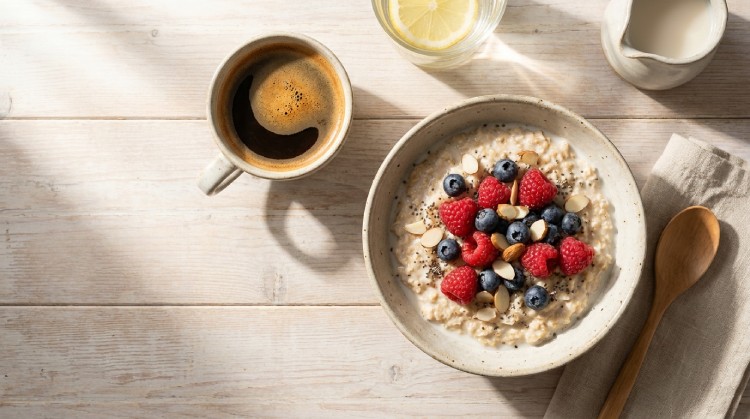
Best Time to Eat Fiber: Is Breakfast Really Better?
Does fiber at breakfast keep you full longer? See what the research shows and how to build a satisfying morning meal without overdoing fiber.
Vitamins, fitness, and taking care of your body based on evidence-based facts.
Learn how movement may affect attention, memory, and the brain, how strong the evidence is, and how much activity adults are advised to get.

Does fiber at breakfast keep you full longer? See what the research shows and how to build a satisfying morning meal without overdoing fiber.
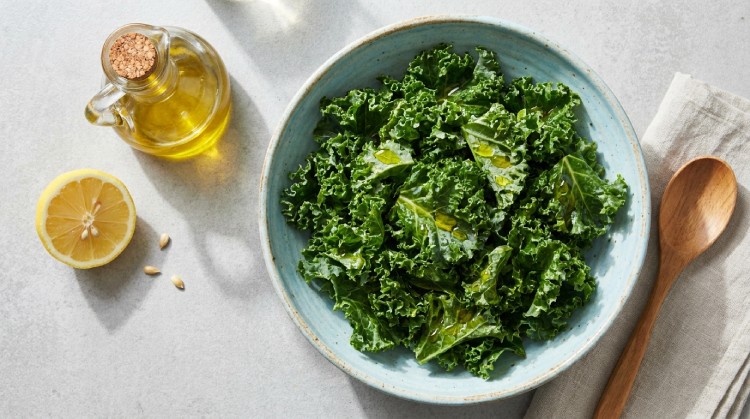
Learn what kale contains, how oil affects carotenoid absorption, and how to prepare the leaves for salads, side dishes, soup, or pesto.
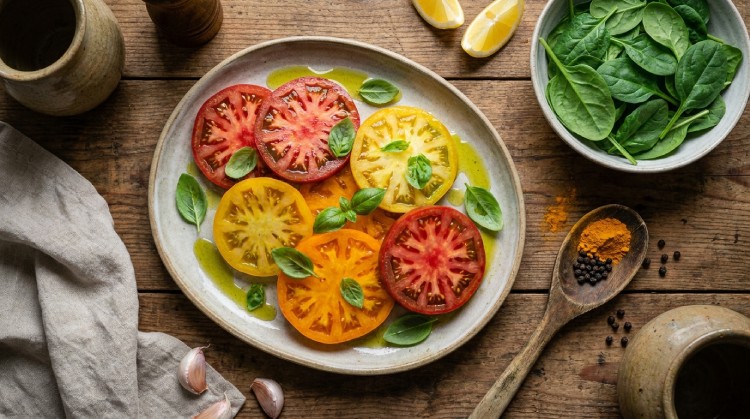
Vegetables with fat, plant iron with vitamin C, and the truth about turmeric and pepper: which food pairings are actually supported by evidence.
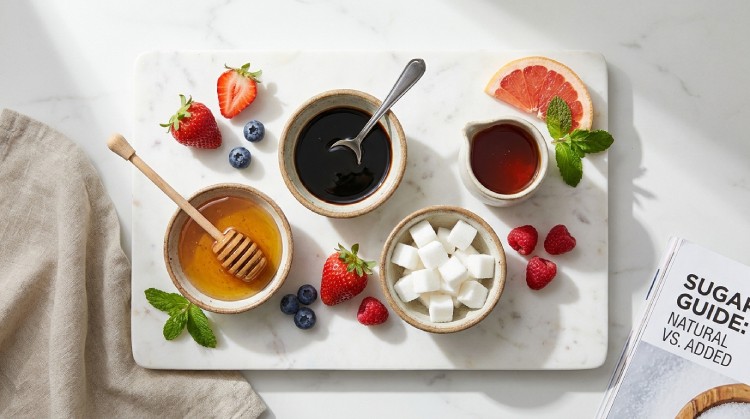
Learn the difference between total, added, and free sugars, how to read a food label, and why honey, agave, and brown sugar are not automatically healthier.
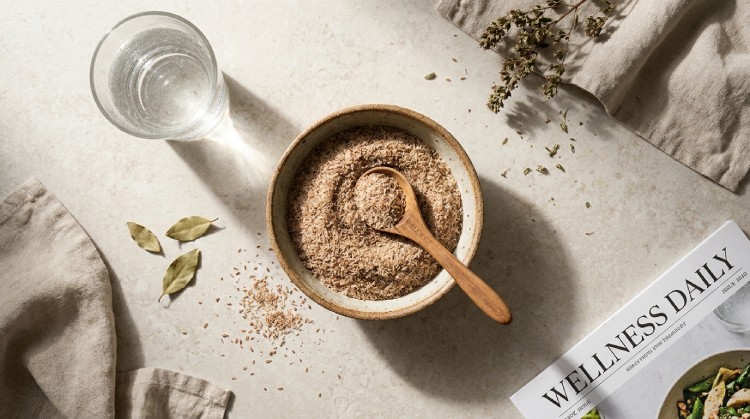
Discover the amazing psyllium husk benefits for gut health, lowering cholesterol, and weight loss. Learn how to take this powerful soluble fiber supplement correctly.

Learn what energy density means, why a large portion can still be moderate in calories, and how to build satisfying meals for gradual weight loss.

Can walking after a meal help manage blood glucose? Here is what studies say about timing, pace, and why 15 minutes is a useful guide—not a strict rule.
Does working out on an empty stomach help you lose fat faster? Here is what research says about performance, muscle, and when eating first makes sense.

Can regular exercise reduce the risk of colon cancer returning? A clear look at the CHALLENGE trial, its training programme, results, and limitations.

Can omega-3s, vitamin D, probiotics, saffron, or St John’s wort help depressive symptoms? A clear comparison of evidence, limits, and risks.

What really helps with jet lag after crossing time zones: when to seek daylight, how to shift your sleep schedule, and what to know about melatonin.
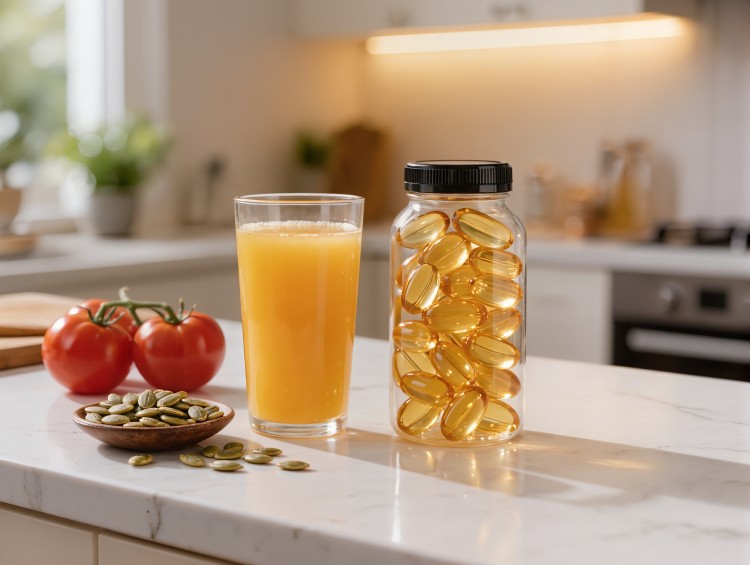
What the evidence says about saw palmetto, beta-sitosterol, lycopene, and other prostate supplements—and when urinary symptoms need medical assessment.
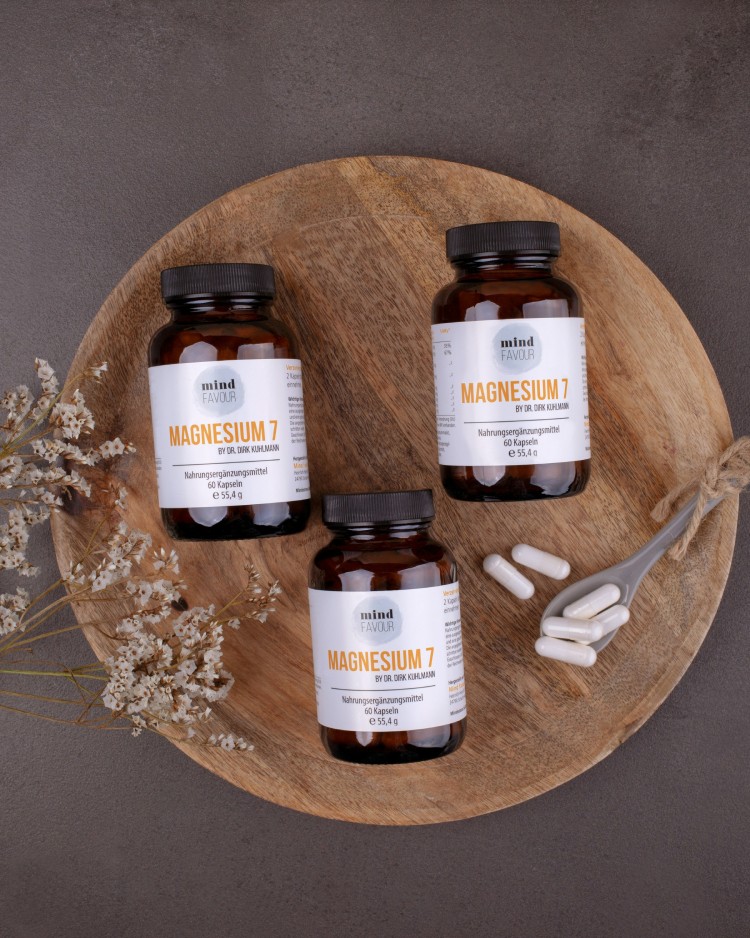
A detailed comparison of ten magnesium forms, including absorption, tolerance, common uses, elemental magnesium, and the limits of popular health claims.
Where to keep vitamins, probiotics, omega-3s, powders, and gummies, why the bathroom is a poor choice, and when a supplement should be discarded.
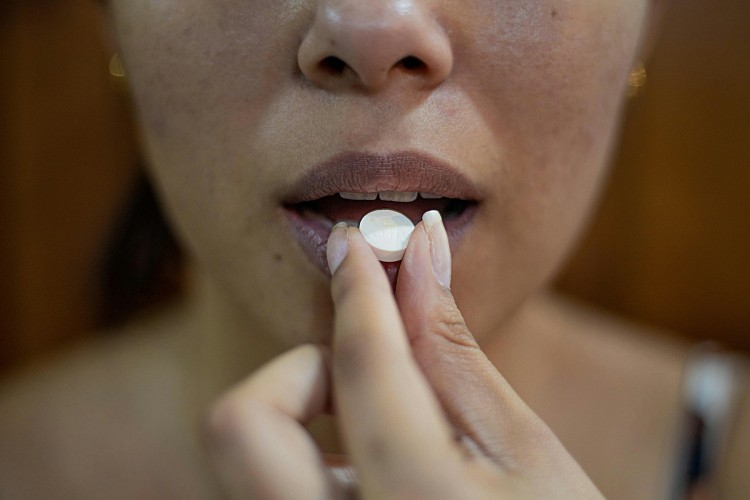
What to do when a large tablet or capsule is hard to swallow, including two studied techniques, alternative formats, and signs of dysphagia.
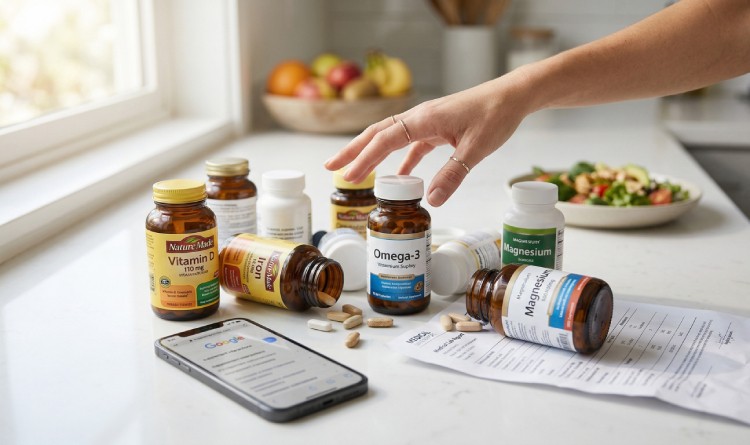
Learn how to avoid duplicate nutrients, read the daily serving correctly, check medication interactions, and separate quality testing from marketing claims.

How stress is connected to hair shedding, why it can start months later, how long recovery takes, and when to see a dermatologist.
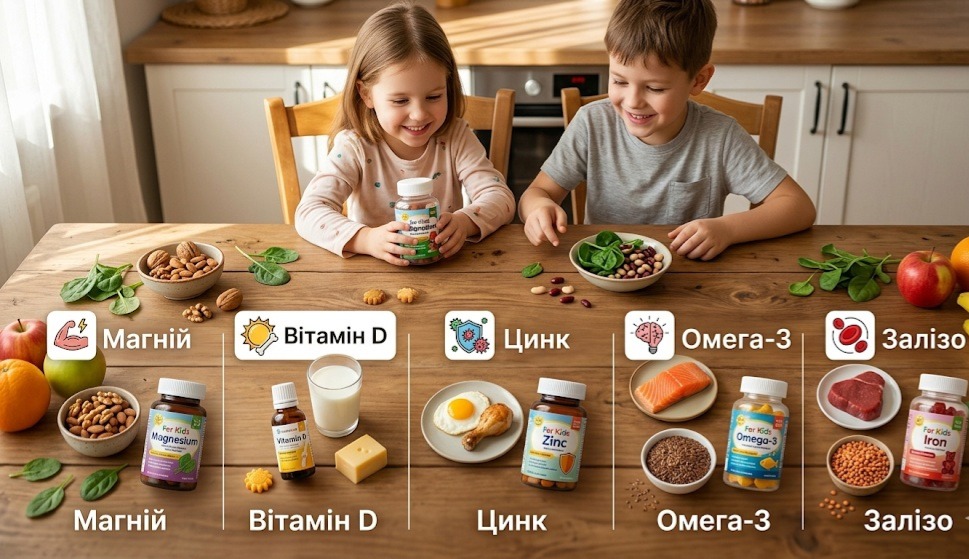
Iron, vitamin D, zinc, magnesium, and omega-3s in children’s diets: where to find them, who may fall short, and when to speak with a pediatrician.
What clear protein is made from, why the drink looks transparent, whether it digests faster, and how it compares with whey isolate and concentrate.
What L-arginine is, how it relates to nitric oxide, whether it helps exercise, blood pressure, and erectile function, and who should avoid experimenting with it.

How meal replacements differ from protein shakes, whether they can help with weight loss, and how to choose a product for one meal.
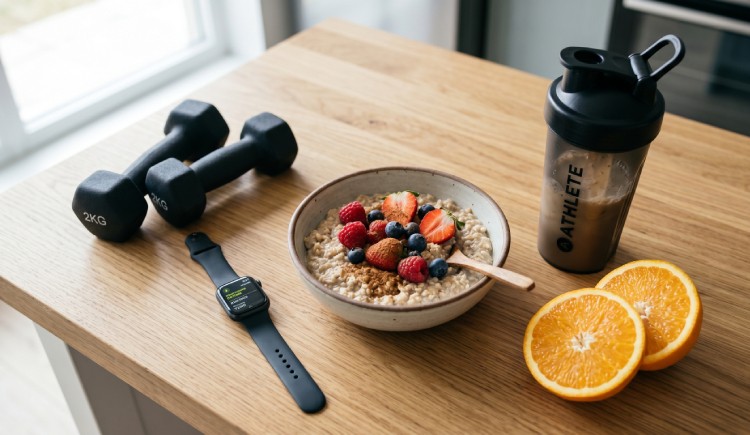
How to choose food before strength training, running, or longer cardio, when a regular meal is enough, and what to eat with less than an hour to go.
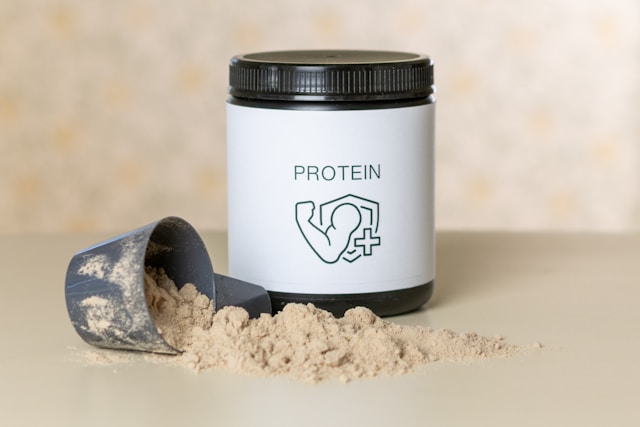
How whey concentrate, isolate, casein, and plant protein differ, who may benefit from protein powder, and how to work out a useful serving.
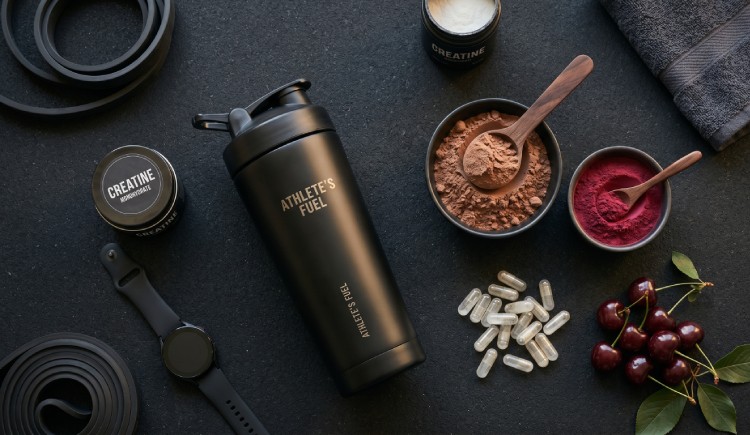
Protein, creatine, caffeine, nitrate, and beta-alanine: when they may help, which popular supplements are often unnecessary, and how to choose safely.

When water is enough after exercise, who may benefit from sugar-free electrolytes, how to read the label, and why a sports drink is not the same as oral rehydration solution.
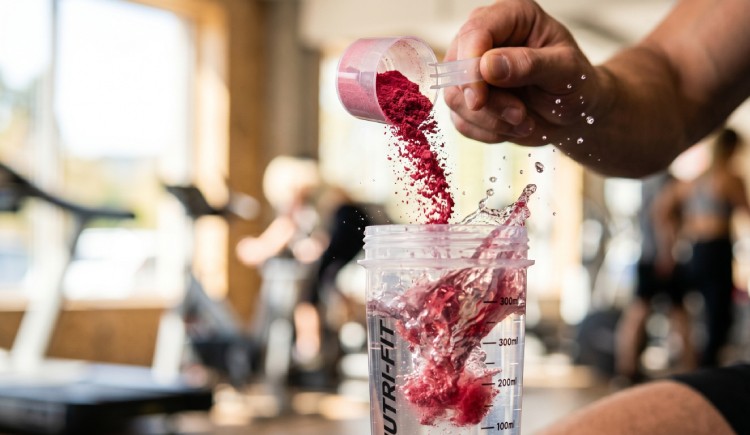
How EAAs differ from BCAAs, whether they help build muscle or improve recovery, and when complete dietary protein is the better choice.
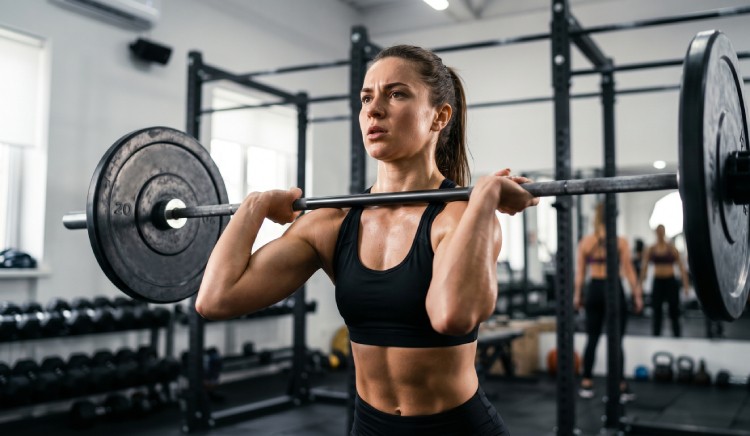
How creatine affects strength, muscle, and brain function in women, whether it causes weight gain, which form to choose, and how to take it correctly.