We ask a lot of the first drink of the day. It is supposed to “start the metabolism,” clear brain fog, and set our energy for hours. In reality, the body does not need a special beverage to switch into daytime mode. The choice is more practical: water handles thirst, coffee and tea may provide caffeine, and a smoothie can become food — if it contains more than fruit.
Here is what separates those options, when coffee before breakfast may be uncomfortable, and how to build a morning routine without turning it into a list of rigid rules.
- Water
The simplest answer to thirst. It does not replace breakfast. - Coffee
Contains caffeine; the amount varies with the beans, serving size, and brewing method. - Tea
Often has less caffeine than coffee, but the actual amount still varies. - Smoothie
Can be a drink, snack, or meal depending on its ingredients and portion.
Do you need water immediately after waking?
You lose some water overnight through breathing and perspiration, but that does not mean everyone wakes up dehydrated. Fluid needs depend on room temperature, activity, diet, health, and other circumstances.
Thirst is a practical guide for most healthy adults. Food — especially fruit and vegetables — also contributes to total water intake. You may need more fluid in hot weather, during prolonged exercise, or when fever, vomiting, or diarrhea increases fluid loss.
Plain water is enough
If you are thirsty in the morning, drink water at a temperature you enjoy. Warm water has no established advantage over cool water, while lemon, ginger, or mint are optional flavorings. A drink does not need to “detox” the body or start digestion to be a sensible choice.
Coffee and tea also contribute fluid. Water remains the most straightforward caffeine-free, sugar-free, calorie-free option — particularly if your usual coffee order includes syrups or a substantial amount of added sugar.
Coffee on an empty stomach: follow your symptoms, not a blanket ban
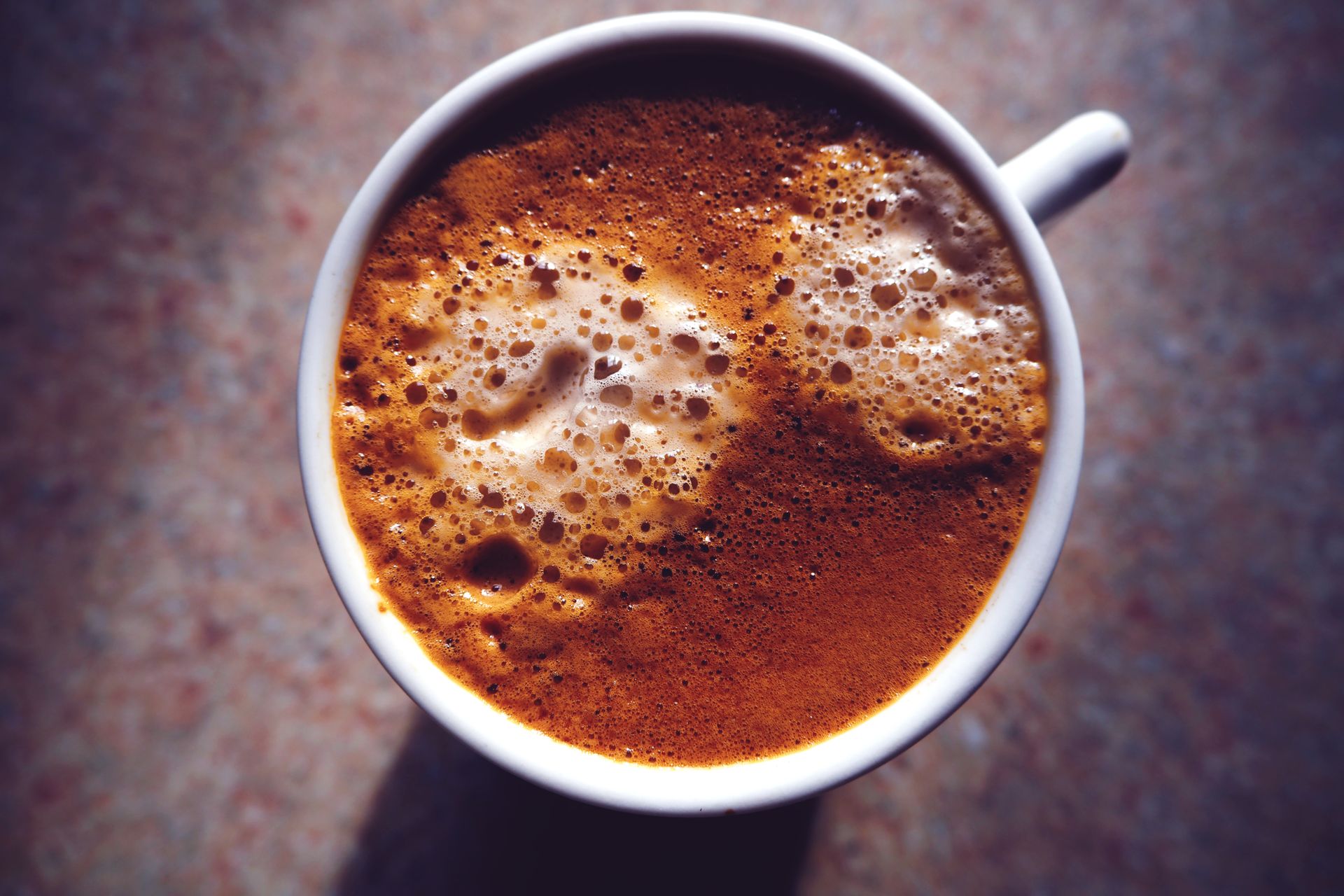
Caffeine can temporarily reduce drowsiness and increase alertness. Coffee is not breakfast, however, and the body does not need it to start the metabolism.
There is no universal instruction that every healthy adult must drink coffee only after eating. At the same time, the National Institute of Diabetes and Digestive and Kidney Diseases lists coffee and other caffeine sources among common individual triggers for reflux symptoms. The useful question is how you respond.
You do not have to force down food solely to “protect” your stomach from coffee. Pay attention to your total caffeine intake and sleep instead.
Try a smaller serving, decaf, or coffee after food. If symptoms keep returning, discuss them with a healthcare professional.
How much caffeine should you count?
For most healthy adults, the FDA cites 400 milligrams of caffeine per day as an amount not generally associated with negative effects. That is a ceiling, not a target. Sensitivity varies widely, and two same-size cups can contain different amounts of caffeine.
Count all sources across the day: coffee, tea, cola, energy drinks, chocolate, and some medications. Jitters, a racing heart, anxiety, or disrupted sleep are signs that your comfortable level may be lower. During pregnancy, the American College of Obstetricians and Gynecologists recommends keeping caffeine below 200 milligrams per day from all sources.
Tea: a gentler taste does not always mean caffeine-free
Black and green tea usually contain caffeine, although often less than coffee. The type of tea, amount of leaf, water temperature, and steeping time all affect the final cup. That is why the promise of “smooth energy with no crash” sounds better than it works as universal advice.
If you are cutting back, check the label and choose decaffeinated tea or a caffeine-free herbal infusion. “Herbal” does not automatically mean suitable for everyone. During pregnancy, with a medical condition, or while taking medication, ask a qualified professional about unfamiliar blends.
When can a smoothie actually replace breakfast?
A smoothie sits somewhere between a drink and a meal. Banana, berries, and juice can make a delicious blend, but not necessarily a filling one. A blender does not add protein or balance; the ingredients do.
- A base
Plain yogurt, kefir, milk, or an unsweetened fortified nondairy drink. - Fruit or vegetables
A familiar serving of berries, banana, apple, spinach, or a combination. - Protein
Thick yogurt, cottage cheese, silken tofu, or another suitable source. - Staying power and texture
Oats, nuts, or seeds in an amount that matches your appetite.
Not every smoothie needs all four parts. A simple recipe may be enough when it accompanies breakfast. If the smoothie is meant to replace food for several hours, include protein and make a portion comparable with something you would actually eat from a bowl. Syrups, sweetened yogurt, and large pours of juice can change the drink considerably without making it more satisfying.
If you would rather eat than drink breakfast, browse The LINES’ breakfast collection for complete recipes.
What fits your morning today?
Select a situation to open a short suggestion.
You wake up thirsty
Start with plain water. There is no need to wait, heat it, or add lemon. Coffee or tea can follow for pleasure or caffeine rather than serving as a compulsory hydration ritual.
You want coffee but are not ready to eat
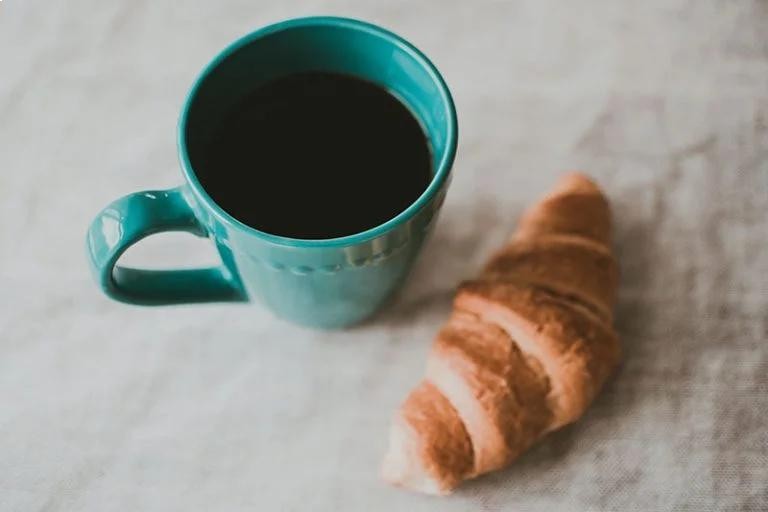
If coffee before breakfast does not cause heartburn, nausea, or other discomfort, there is no universal requirement to eat first. If it does cause symptoms, move coffee after food or try a smaller serving.
You want less caffeine
Choose a smaller serving, decaf coffee, more lightly brewed tea, or a caffeine-free option. Consider the whole day rather than focusing on one morning cup.
You have no time to eat but want something substantial
Build a smoothie with more than fruit: add plain dairy or another protein source and, if useful, oats, nuts, or seeds. If food still feels uncomfortable early in the day, you do not have to force it solely because of a breakfast rule.
The bottom line
The best morning drink is not the one with the longest list of promised benefits. It is the one that suits the job. Water handles thirst, coffee and tea may provide caffeine, and a thoughtfully built smoothie can be breakfast on the go. None of them switches on the metabolism or determines how the entire day will feel.
A simple guide
Drink when you are thirsty. Notice how coffee affects you, count caffeine across the day, and do not call a fruit drink a complete breakfast simply because it came from a blender.
This article provides general information. Seek medical advice for persistent heartburn, pain, difficulty swallowing, or other recurring symptoms. Individual caffeine limits may differ during pregnancy, with a medical condition, or when taking medication.