School meals are more than just a way to satisfy hunger between classes. They reflect a country's culture, economy, and attitude toward the health of its nation. Every country has a unique approach to organizing children's diets: from daily pasta in Italy to milk dispensers in Finland and packed lunchboxes in Australia.
We explored school meal systems around the world and are ready to tell you exactly what ends up on students' plates.
🇺🇸 USA: The Battle Between Fast Food and Healthy Eating
The school meal system in the United States has over a century of history, but it was officially formed in 1946 when President Harry Truman introduced the National School Lunch Program. Its main goals were to guarantee balanced nutrition (especially for low-income families) and to form healthy eating habits.
However, in the 1980s and 90s, private companies monopolized the sector, leading to an abundance of fast food. Former First Lady Michelle Obama attempted a revolution in 2010, forcing schools to add more fruits, vegetables, and whole grains. Unfortunately, due to the bland taste of this "budget" healthy food, children often threw it away, preferring snacks instead.

- Typical lunch: Chicken nuggets, Mac & Cheese, pizza (which in the US can legally be classified as a "vegetable" due to the tomato paste), potato wedges, or fries.
- Additions: Baby carrots, an apple or canned peaches, and a carton of milk (often chocolate).
- Restrictions: Due to the high rate of allergies in the US, there are strict protocols. Almost all schools have strict "peanut-free zones."
🇮🇹 Italy: The Art of School Meals
In Italy, food is given no less attention than the educational process. Lunch here is a full-fledged introduction to culinary traditions. Since 2010, the law requires schools to provide children with mostly local and organic products (for example, in Rome, their share reaches 70%).

- Lunch structure: Primo (first) — usually pasta, risotto, or minestrone soup. Secondo (second) — baked meat, fish, eggs, or cheese.
- Sides: Two types of seasonal vegetables are mandatory, along with fresh fruit.
- Banned items: French fries, chips, and fried chicken are strictly taboo. Pasta must always be freshly prepared, with no freezing allowed.
🇨🇳 China: Regional Diversity and Warm Food
In the Celestial Empire, the food system varies greatly depending on the region. In large cities, specialized companies operate cafeterias, and kids pay with cards. Malnutrition remains a problem in remote rural areas, where children often have to bring their own rice from home.

- The Base: A large portion of rice, stir-fried vegetables with or without meat, and steamed buns (mantou).
- Special feature: Chinese schools do not have a tradition of selling instant noodles or chips. Buffets and tuck shops are not common.
- Health: During flu seasons, schools increase the amount of fruit and milk in the diet.
🇫🇮 Finland: Nutrition as an Investment in the Future
Finland views school meals much more broadly than just satisfying hunger. Since 1948, every student has received a free lunch. Furthermore, every school integrates "food education" — students visit farms and gather blueberries in the forests.

- Typical dishes: A hot dish with meat or fish, and a portion of vegetables. Bread is only rye or oat (white bread is completely absent).
- Drinks: Water and mandatory milk (skimmed or lactose-free) from special dispensers.
- Interesting fact: Unlike other countries, Finland does not have strict separate controlling bodies. Supervision is carried out by the kitchen staff themselves.
🇦🇺 Australia: The Lunchbox vs. Canteen Competition
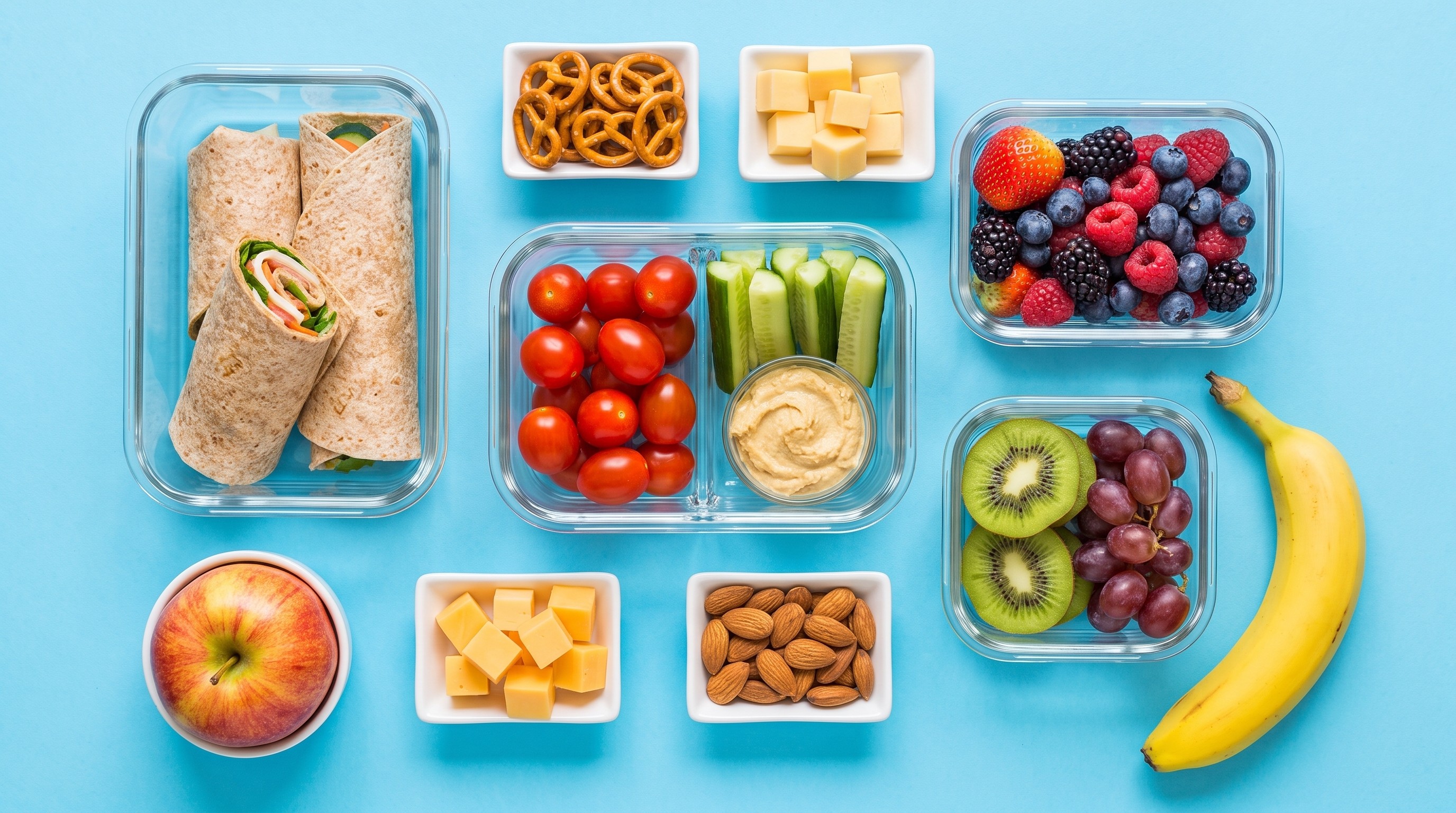
In Australia, most children bring their food from home, although school canteens also offer prepared meals. Following an obesity outbreak in the 2000s, the government launched The National Healthy School Canteens program, which categorized products.

- Traffic Light System: Green products (water, vegetables) are for daily consumption. Yellow are limited. Red (caffeinated drinks, donuts) are completely banned.
- Snack time: Primary schools have a special short break called "Crunch & Sip" meant exclusively for eating fresh fruits and drinking water.
🇱🇹 Lithuania: Strict European Standards
Since 2010, Lithuania has implemented updated nutritional standards. The state strictly monitors quality and can revoke supplier licenses. Some schools experiment with a buffet format, which significantly reduces food waste.

- Typical dishes: Potatoes, grains (lots of buckwheat), legumes, meat, and fish. Fresh fruits and berries are mandatory.
- Restrictions: Sweets, chocolate, energy drinks, and deep-fried pastries are strictly prohibited. However, fast-food kiosks are often located just outside the school grounds.
🇺🇦 Ukraine: From Soviet Legacy to the Reality of Reform
It is no secret that at the dawn of independence and in the 2000s, Ukrainian school cafeterias offered strictly Soviet-style food. Many of us remember running to the nearest store during breaks to buy cheap chewing gum and dry "Mivina" (ramen noodles).
Today, the system is changing. Ukraine has introduced a massive school nutrition reform initiated by the First Lady and featuring chef Ievgen Klopotenko. A new recipe book with over 600 dishes was created, the use of sausages was banned, and sugar and salt were limited.

Expectations vs. Reality: What are kids eating now?
While the new menu featuring minestrone, chakhokhbili, and gluten-free dishes looks great on paper and in official presentations, the reality in many regions has proven to be different.
Due to the war, lack of funding, outdated kitchen equipment, or simply the reluctance of cooks to retrain, the reform is not working everywhere. Parents often post photos of school lunches on social networks that drastically differ from the declared standards. Most children in regular schools still encounter the old menu:
- Buckwheat or pasta.
- Mashed potatoes with flour gravy or drizzled with melted butter.
- Sausages of questionable color and composition.
- Tea from a bucket, which is often either overly sweet or completely tasteless.
- Legendary pastries: "pizza-sun" with mayonnaise, cottage cheese buns (vatrushkas), and honey cakes.
However, we shouldn't lose hope. Where the reform has been fully implemented (for example, thanks to the new "factory-kitchens" in Bucha), children genuinely receive a full 100 grams of fresh vegetables daily, natural spices instead of salt, and high-quality baked meat dishes.