Africa means the majestic pyramids of Egypt, the ancient city of Carthage, the Bandiagara Escarpment, Victoria Falls, the Dallol volcano, the Sunland Baobab, and Mount Sinai, known as the "sacred peak." It represents the oldest civilizations, vast mineral reserves, incredible landscapes, and rare animal species.
On the other hand, it also brings to mind not picturesque rivers and mountains, but brutal dictators like Emperor Bokassa, tragic events like the Rwandan genocide, or the violence and killing of Christians in Nigeria and the Democratic Republic of the Congo (DRC), which are epicenters of such atrocities.
Most often, people's perception of this continent is a fierce mix of news snippets, leftover school geography knowledge, and questionable tabloid articles. Ultimately, all of Africa is perceived as an epicenter of civil wars, famine, military coups, epidemics, and cannibalism. Of course, one cannot say that these problems do not exist there at all, but they certainly do not happen everywhere and all the time.
So what prevented African nations from developing to the level of other continents?
- Some will say the arid climate and isolation from the rest of the world are to blame.
- Some believe that the easier it is for people to survive, the less motivation there is to drive progress.
- And some will point to colonialism and constant external interference.
Let's try to answer the eternal question: why does Africa remain poor today?
What is Wrong with Africa? (Resource Wealth vs. Historical Development)
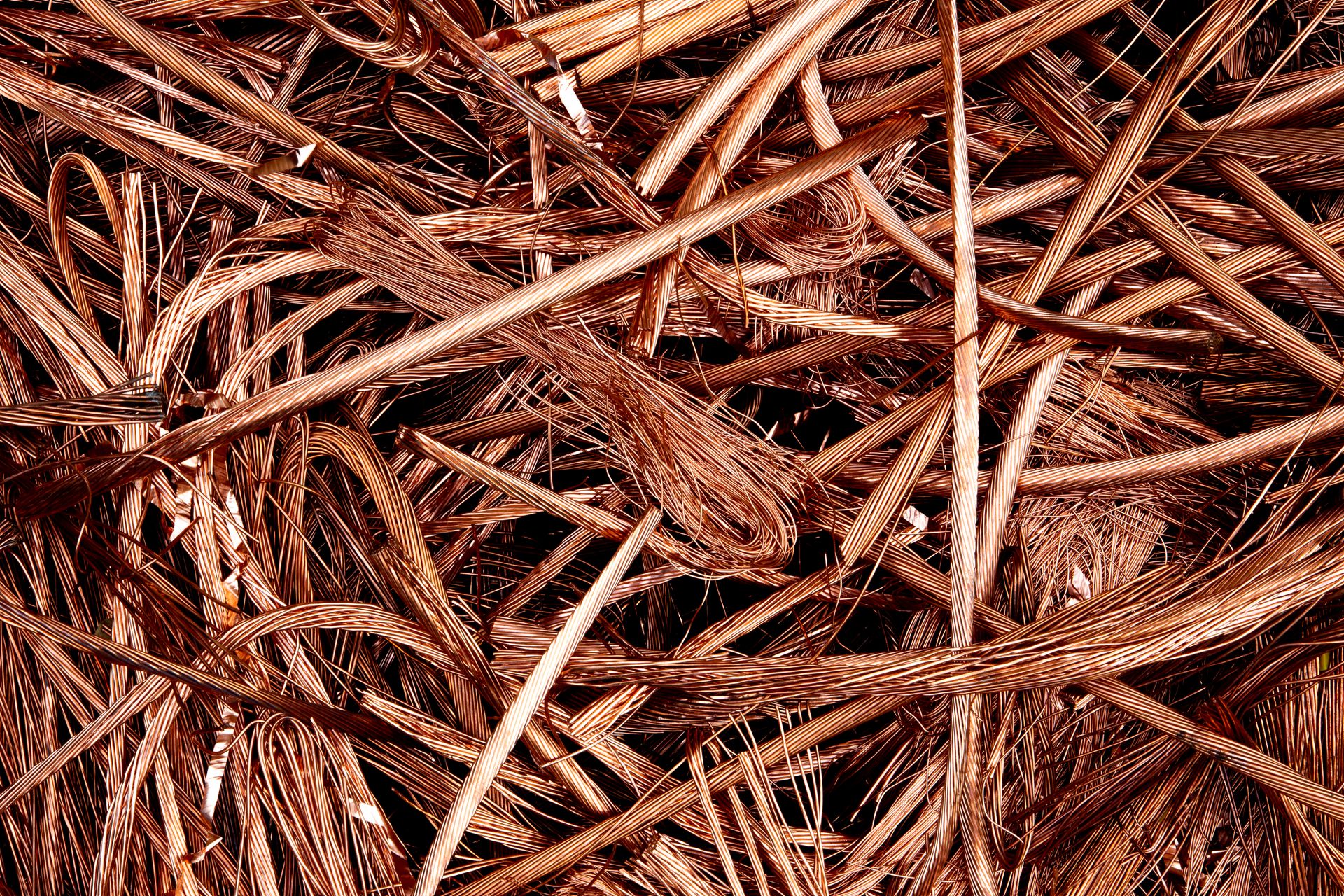
It is no secret that Africa is rich in natural, land, and human resources. This continent contains colossal deposits of mineral raw materials (manganese, bauxite, chromite), fuel resources, cobalt and copper ores, gold, platinum, diamonds, phosphorites, uranium, and many other useful minerals. Countries like Nigeria, Namibia, Botswana, Zimbabwe, and Zambia are among the top five world leaders in the extraction of precious metals, oil, and gas.
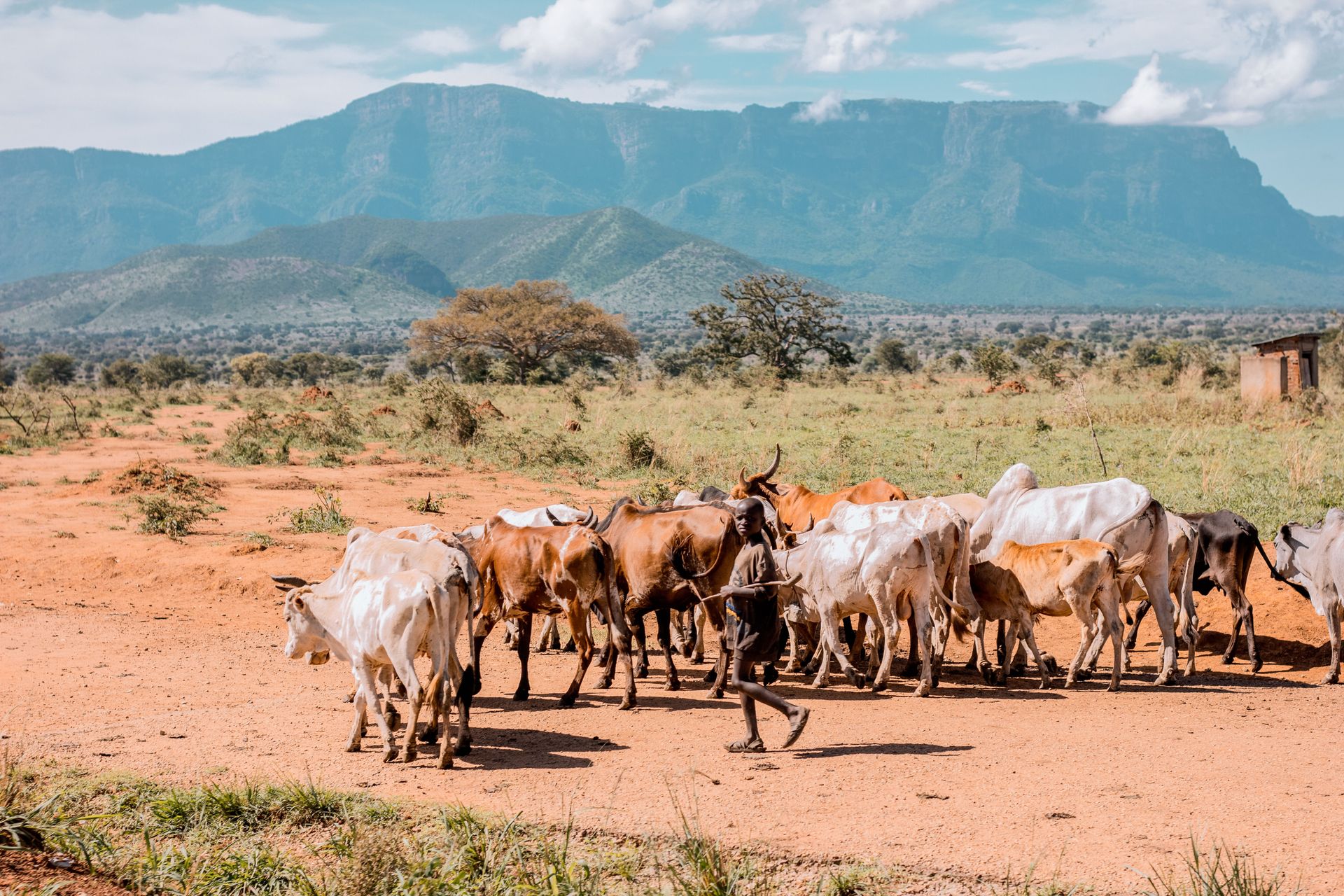
Africa's total area is almost 30 million square kilometers. Despite the large number of deserts and semi-deserts, agricultural lands account for 9 million sq. km (for comparison: this is slightly more than the entire area of Brazil). Agriculture is the foundation of the economy for the vast majority of African countries. Theoretically, with such resources, African states could have become the richest regions in the world.
We are, of course, talking about so-called "Black Africa," not its north (which is part of the Mediterranean, where the great Ancient Egyptian civilization appeared in antiquity and where Carthage, one of the greatest Phoenician colonies, was located).
Africa's Chronic Backwardness is a Myth
Africa's lag in terms of civilization today is greatly exaggerated when looking at the continent's history as a whole. At certain stages of history, Africans not only did not lag behind but were ahead of Europeans in development:
- Technological Leap: For example, Africa never had a Bronze Age. There was simply nothing to produce bronze from due to a lack of materials, so the locals stepped straight from the Stone Age into the Iron Age.
- Developed States: Africa had many highly developed states by medieval standards, which differed little in socio-economic development from European ones of their time. The brightest example is the Mali Empire, which later transformed into the Songhai Empire.
- Aksum: Another example is Ethiopia, better known in ancient times as the Kingdom of Aksum. Aksum was one of the first Christian states in human history.
Different peoples began their history in different geographical conditions. Geography in a broad and narrow sense (climate in particular), the availability of cultivated plants and domestic animals, access to river routes, and much more—this is what shapes human society, not some kind of "exceptionalism." So what exactly brought Africa to its current state?

Climate and Logistics (The Sahara Desert)
We are used to perceiving the continent as a single whole, but in reality, the climate here varies greatly from region to region. On the west coast, an oceanic desert climate prevails, in the center—a continental moderately arid one, and in the east—a maritime trade-wind climate. Thus, even the most favorable regions of Africa are arid and extremely difficult for agriculture.
The Sahara Desert is not just an ocean of sand. It is a true black hole in terms of logistics.
Traveling across the Sahara is an incredibly difficult test, which has seriously complicated both trade between Africa and the rest of the world and migration since ancient times. And where there is no active movement and trade, there is no exchange of technologies and culture.
Today, many people do not fully understand how culturally and technologically connected Europe and Asia have been since ancient times (a huge contribution to mutual development was made by the web of trade routes known as the Silk Road). Populated Africa, however, remained almost completely isolated from the rest of the world for a long time.
Epidemics and Deadly Fauna
Nowhere else on the planet will you find so many living organisms that pose a threat to your life as on the African continent. Only Australia can compete with the diversity of dangerous fauna here.
Throughout history, the continent's demographics, in addition to risky agriculture, have been consistently undermined by various epidemics. It just so happened that neither Europe nor Asia had the tsetse fly, which carries sleeping sickness. There are also dangerous parasites, malaria mosquitoes, black mambas, Nile crocodiles, thick-tailed scorpions, and many other creatures that are not very happy to meet a human.
Ships arriving in the New World sometimes raised a yellow flag with a skull and crossbones, and no one risked boarding. The infection devastated entire cities, becoming the basis for many macabre legends. "Yellow Jack," "Bronze John," blood vomit, or simply yellow fever is a terrible viral disease. Europeans only invented a vaccine for it in 1937. Ebola, Lassa fever, Marburg, and West Nile fevers belong to the same category.

Colonization: Oppression and the Partition of the Continent
The development of African states was seriously undermined by their acquaintance with "civilized" Europeans, who over a few centuries turned the continent into a source of cheap resources and slave labor. It all ended with the entire territory of Africa being divided among the leading powers of the Old World.
It all began at the end of the 19th century. There were several reasons for this:
- Europe learned about the properties of quinine, which treated malaria.
- Rifled weapons were developed, which had a huge advantage over the muskets of African armies.
- The Industrial Revolution caused an acute need for new sales markets.
The first step was taken by tiny Belgium in 1876. King Leopold II de facto turned the "Congo Free State" into his personal rubber plantation, where people died by the tens of thousands. Belgium was followed by England, France, Portugal, Spain, and later Germany and Italy. Over more than three centuries of the slave trade, colossal damage was done to Africa: millions of people were exported or died.
By 1900, only Ethiopia managed to maintain its independence. And although the colonizers built infrastructure and opened schools, they conditioned the population to obey "white masters." Neither the elite nor the population were accustomed to making independent decisions and bearing responsibility for them.
The Impact of the USSR and the Cold War
In the mid-20th century, France and the British Empire dominated 60% of Africa's territory. The decolonization process was difficult. Thanks to the support of the USSR, 1960 went down in history as the "Year of Africa"—when 17 countries gained independence.
The USSR invested billions of dollars in African countries and massively supplied weapons. In exchange, Moscow received raw materials: rubber, bauxite, cotton, coffee, and cocoa beans. This period split the continent into spheres of influence between the capitalist and socialist camps.
Modernity: A New Battle for the Continent
The collapse of the USSR in 1991 opened a new stage in the struggle for influence in Africa.
- USA and the West: linked financial aid to strict conditions (democratization, elections, freedom of the press). For the most part, this approach failed.
- China and India: use the concept of "soft power." They finance large-scale infrastructure projects without political conditions and do not interfere in internal affairs.
This complex set of reasons—from a harsh climate and deadly diseases to centuries of foreign interference—still prevents African states from standing on par with the world's greatest leaders. One can only guess whether the Dark Continent will finally be able to follow its own successful path of development.