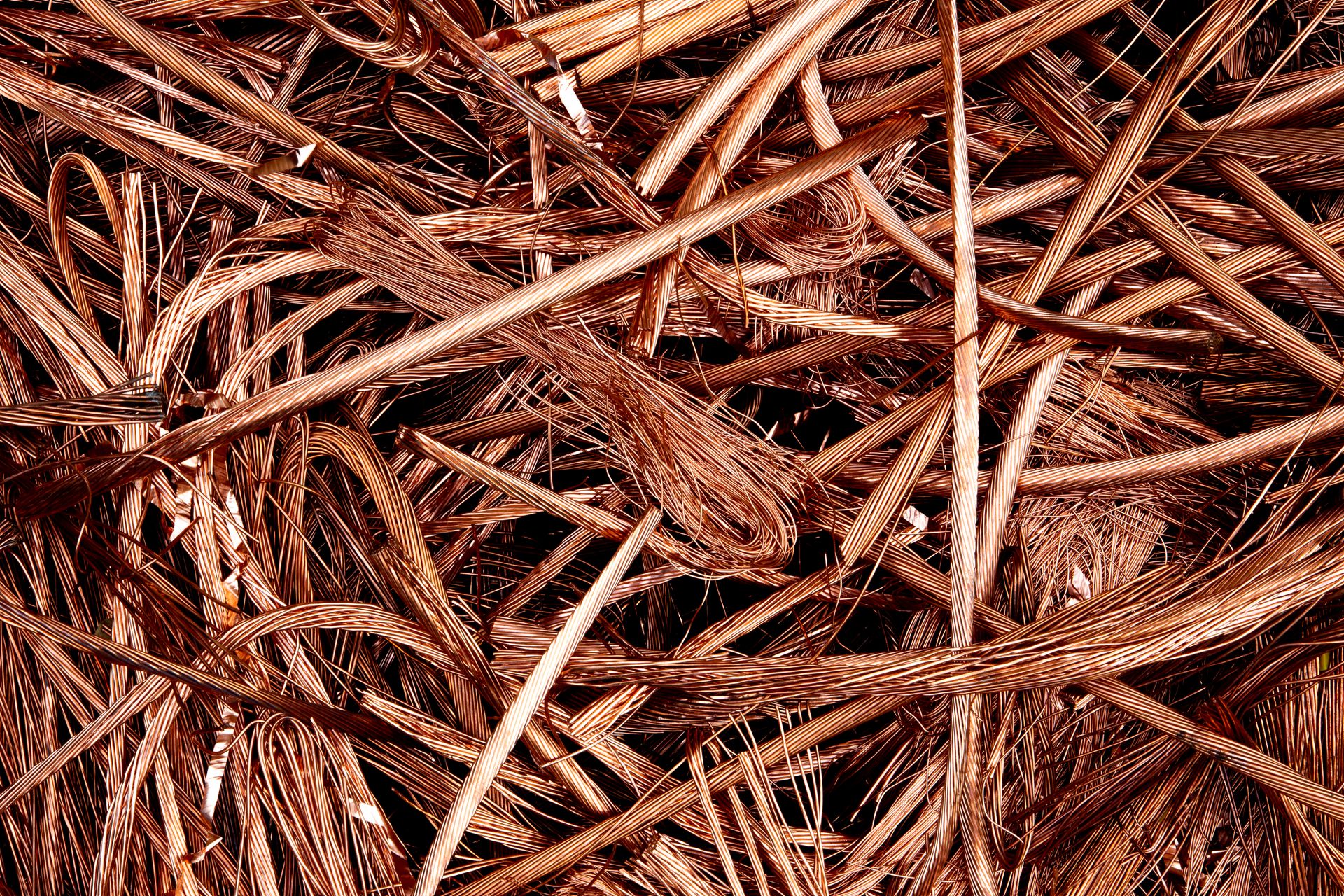
You can find copper products in almost any hardware store. However, not everyone knows that this metal possesses profound natural antimicrobial and fungicidal properties. When in contact with a humid environment, a surface with a high copper content can significantly inhibit the growth of many types of mold, creating highly unfavorable conditions for pathogenic microflora.
Official Recognition: Copper vs. Stainless Steel
This phenomenon has reliable scientific backing and is confirmed by the US Environmental Protection Agency (EPA). They have officially registered over 270 copper alloys as solid materials with proven antimicrobial properties for use in healthcare settings.
Rigorous laboratory testing has demonstrated that on surfaces made of such alloys, the quantity of certain dangerous microorganisms is reduced by 99.9% within just two hours of contact.
For comparison: on stainless steel surfaces, which are massively used in modern construction and medicine due to their durability, microorganisms can survive for weeks. This is precisely why such surfaces require continuous chemical disinfection.
Why isn't copper used everywhere?
Knowledge of copper's antimicrobial properties is thousands of years old. So why did the industry abandon it? The answer lies in economics and the physical properties of the material. First, copper is an expensive metal, and its mass implementation critically increases the budget of any project. Second, when exposed to oxygen and moisture, copper oxidizes, developing a characteristic green patina. While this does not reduce its effectiveness, this aesthetic doesn't suit everyone, and maintaining the metal requires significant effort. Therefore, mass production logically shifted to cheaper and easier-to-maintain materials, such as plastic, aluminum, and steel.
The Hidden Health Threat of Mold
The problem of indoor dampness and mold remains a serious challenge for modern medicine. According to a large-scale scientific study by researchers David Mudarri and William Fisk, published in the journal Indoor Air, there are currently about 45 million buildings in the US alone with potentially dangerous levels of moisture.
The researchers' analysis showed that approximately 21% of all asthma cases in the US may be epidemiologically linked to prolonged exposure to dampness and mold spores in residential spaces.
The World Health Organization (WHO) and the US Centers for Disease Control and Prevention (CDC) share this concern: prolonged exposure to an environment with compromised microclimates and fungal infestations reliably increases the risk of developing respiratory diseases.
An Accidental Discovery in French Vineyards
Another massive area where copper's fungicidal properties changed the course of history is agriculture. A prime example is the events of 1882 in the vineyards of the French Bordeaux region.
French botanist Pierre-Marie-Alexis Millardet was inspecting vineyards that were dying en masse from downy mildew. This epiphytotic had been ruthlessly destroying vines across the country since the 1870s, bringing the entire French wine industry to the brink of collapse.
During his inspection, the scientist noticed a strange phenomenon: bushes growing directly along the roads remained completely healthy. The vineyard manager revealed the secret: these vines were sprayed with a mixture of copper sulfate and lime.
Interestingly, the mixture was not applied to treat the plants at all. It made the grapes look dirty and taste bitter, which deterred passersby from stealing the berries.
As it turned out, copper ions had been acting as a powerful shield against the fungus all along. After three years of intensive research, in 1885, Millardet officially introduced a preparation that went down in history as the "Bordeaux mixture". It became the world's first mass-produced fungicide, saving not only French winemaking but also potato and fruit crops worldwide.
From Ancient Egypt to Modernity
Although the scientific justification for Millardet's discovery emerged relatively recently, the empirical use of copper by humanity has deep historical roots:
- Ancient Egypt (c. 2400 BC): Copper was used to treat wounds and purify water, as documented in the oldest medical text, the "Edwin Smith Papyrus".
- Ancient Greece: Hippocrates advised using water that had been in contact with copper in his medical practices.
- Persian Empire: Water was primarily transported in copper vessels during long military and trade campaigns, as it retained its freshness significantly longer in them.
- India (Ayurveda): Traditional Indian medicine has used copper vessels for storing drinking water as a preventive measure for millennia.
Today, the global fungicide industry is valued at billions of dollars. However, modern architecture and medicine are gradually returning to the concept of "passive protection." The integration of copper alloys into ventilation systems, door hardware, and public surfaces is once again being viewed as an effective, durable, and scientifically proven method for controlling microorganisms.