The 1940s era served as a unique bridge between traditional woodworking craftsmanship and modern industrial aesthetics. The post-war boom and general optimism brought bright colors, new accessible technologies, and a true sense of everyday celebration to kitchens. Today, this cozy retro style is rapidly trending again, offering a warm and emotional alternative to cold, sterile minimalism.
Every good, well-thought-out design has to start somewhere. To create a modern kitchen with an authentic 40s vibe (that won't look like a museum exhibit), it is important to know the vintage basics. Let's break down the key elements in detail that will help you flawlessly recreate this unique atmosphere in your home.
Color Palette: Brightness and Contrast
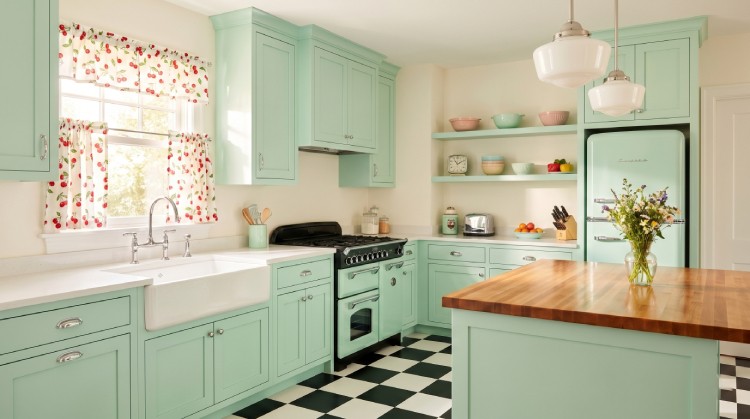
Bold, saturated, and cheerful colors were at the absolute peak of fashion in the 1940s. Two-tone kitchens could be found in almost every American and European home. This love for bright colors was most often embodied through unique tile layouts: countertops and backsplashes were tiled in one color, while the edges and borders featured a sharp, contrasting color.

The classic checkerboard tile layout (black-and-white or red-and-white) is the most recognizable and popular feature of that era.
When creating a color base for a 40s-style kitchen, designers recommend paying attention to the following shades:
- Green: From soft pastel pistachio to deep emerald. An interesting historical fact: because dark green paint was mass-produced for military purposes during World War II, massive surpluses remained in warehouses after it ended, making this color the cheapest hit in post-war civilian interiors.
- Red and White: Bright cherry or tomato red combined with crystal white was an extremely popular choice that created an effect of immaculate cleanliness.
- Blue: Shades inspired by restrained military styles, such as Air Force blue, teal, or deep Navy.
- Yellow: Sunny yellow and canary colors added cheerfulness, optimism, and simulated bright sunlight in the space.
Kitchen Accessories and Vintage Decor
If you have a limited budget for a major remodel, a great start is simply hunting for vintage accessories at flea markets (or buying high-quality modern replicas). It is completely normal and even highly stylish to combine modern furniture with retro decor—this forms an eclectic style. Here are a few ideas for inspiration:
- Light textile window curtains featuring cherry patterns, traditional gingham (Vichy check), or small floral ornaments.
- Replacing boring standard cabinet knobs with bright acrylic (Bakelite) or enamel-coated metal hardware.
- Using practical, easy-to-clean tablecloths (vinyl oilcloths with bright floral prints).
- Decorating countertops and open shelves with massive vintage metal breadboxes and tin canisters (for tea, coffee, and flour).
💡 Quick Design Tip:
Modern, high-quality self-adhesive vinyl wallpaper can be a fantastic, fast, and budget-friendly way to add vintage geometric patterns to walls or a kitchen backsplash without expensive, messy renovation work and demolition.
Furniture and the Dining Area
Kitchen furniture of the 1940s laid a solid foundation for the iconic style of 1950s American diners, which we often see in movies. Square and rectangular wooden tables with rounded edges fit perfectly into small, cozy dining nooks near a window.
If you are buying new furniture, look for bright vinyl or leather upholstery on the chairs (red, light blue) and shiny chrome legs. If you are restoring old wooden furniture—paint the chairs a sunny yellow or misty green, while preserving the natural grain and texture of the wood on the table itself.
Appliances as the Main Accent
One of the easiest and fastest ways to emulate the retro style is to install large appliances (and especially refrigerators) stylized to look like 1940s enamel. Today, many premium manufacturers (e.g., SMEG or Gorenje) produce absolutely modern appliances in vintage, rounded casings with massive metal handles in red, soft blue, cream, and yellow colors.

Modern smart appliances in a retro design represent the perfect compromise between the aesthetic style of the past and the energy efficiency of today.
Small household appliances were scarce in that distant era; however, it was exactly then that the first electric helpers began to appear en masse in middle-class kitchens. To add maximum authenticity, display the following on your countertops:
- Shiny chrome toasters in a classic streamlined shape.
- Massive metal stand planetary mixers (like KitchenAid, whose design has barely changed since then).
- Aluminum Moka pots (stovetop espresso makers) and heavy metal waffle irons.
Cabinets, Countertops, and Classic Sinks
Most kitchen cabinets of that time were designed to reach the ceiling—this maximized storage space. If there was an empty space left between the upper cabinets and the ceiling, it was neatly covered with decorative boxes (soffits), which were often covered with patterned wallpaper for an additional bright accent.
🧼 Practicality Above All
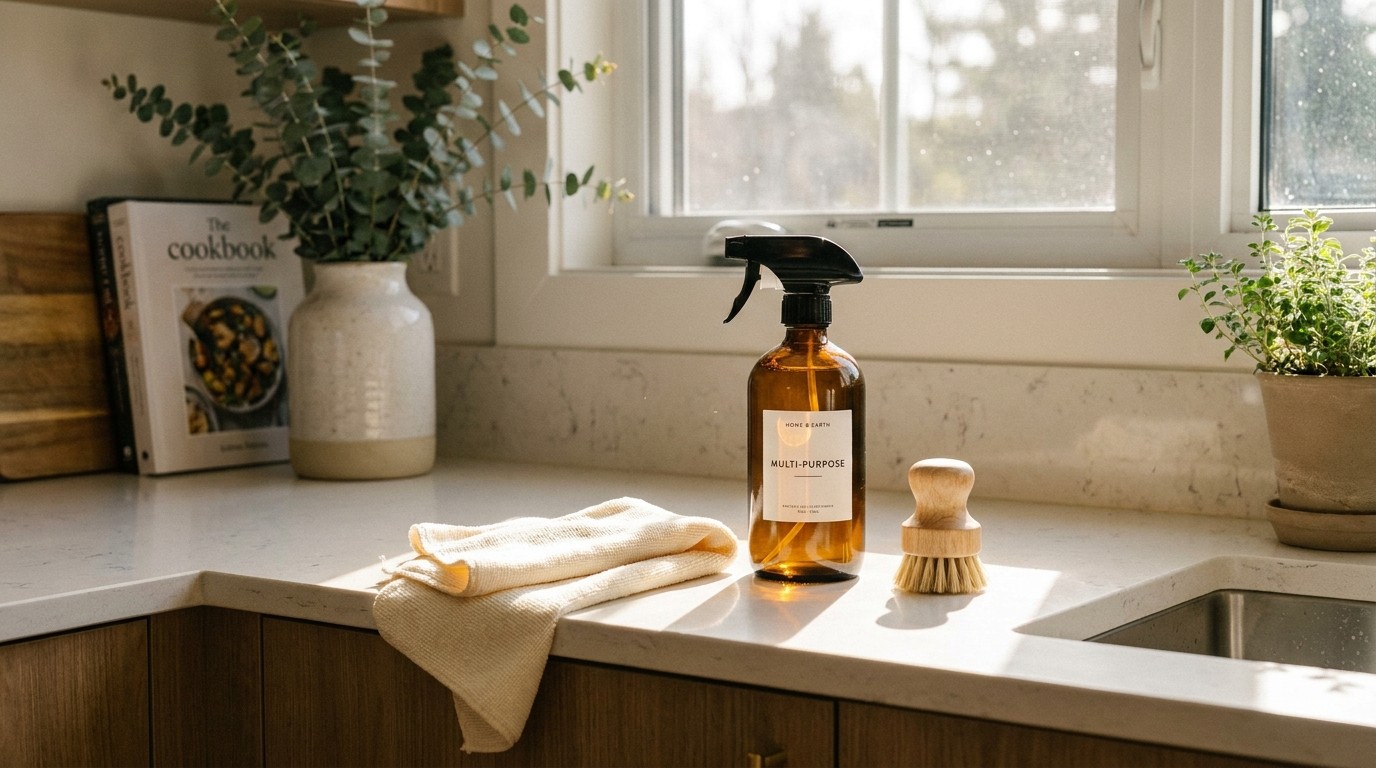
Whether you have chosen authentic laminate, natural wood, or modern engineered stone for your retro kitchen, your work surfaces require proper care. Be sure to learn the essential tips for caring for quartz countertops so they last for decades and never lose their glossy shine.
Mix Old and New Wisely
Combining vintage with modern elements is much easier than it seems at first glance. You absolutely do not need to give up the comfort of a modern dishwasher, a powerful range hood, or an induction cooktop just to stick to a style. Simply use the right color palette, add some chrome accents, and place a few authentic accessories, and your kitchen will be filled with the unique coziness and charm of the 1940s!