Over the past year, as a father, I've often been asked to share tips on organizing kids' toys. It seems to be a topic that stresses out absolutely all parents. Toys are pure chaos. They are bright, loud, there are always too many of them, and they have an amazing ability to instantly spread across the floor, turning your home into a minefield. How on earth can you bring order to this?
My daughter (Emma) is now 9 years old. Over this time, we've gone through all the stages: from scattered rattles on the rug to countless Lego pieces that hurt so much to step on at night, and endless craft kits. While perfect order simply doesn't exist in a house with children, there are a few methods that help keep my sanity and teach our child to be systematic. Here are four simple rules that helped us tame this toy chaos.
1. Sort into categories (and keep it simple)
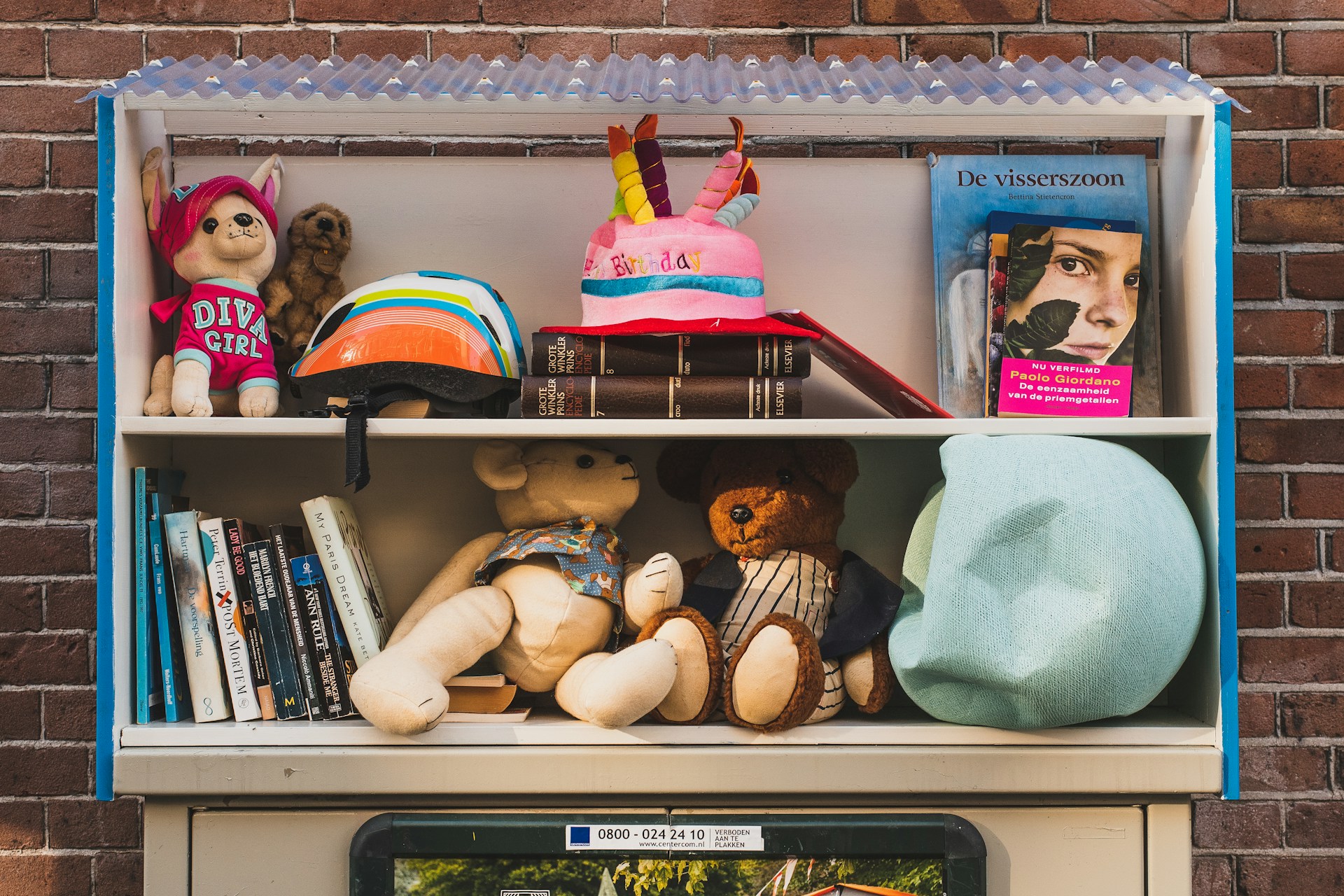
Categorizing toys speeds up cleanup and makes it easier to find things. If everything is in one big pile, a child will just dump it all on the floor to find a single piece. Most items can be easily divided by type: building blocks in one bin, dolls in another, puzzles and board games on a separate shelf.
It is also very convenient to sort by activity: drawing supplies, modeling kits, outdoor toys, and so on.

Of course, not all things fit perfectly into logical categories. That's exactly why we always have a large basket labeled "Misc" (Miscellaneous). That's where all those tiny, random pieces, collectible figures, and little trinkets end up—the ones I'd gladly throw away, but my child considers her most precious treasures. Such a "chaos basket" is a real lifesaver during a quick evening cleanup.
2. Use the right containers for different zones
Boxes, baskets, clear bins—anything that makes moving and storing easier will work. The main rule: the choice of container depends on the room it's in.
In our living room, I don't want to feel like I'm in a branch of a toy store. Therefore, all toys and games there are hidden in stylish woven baskets that perfectly blend with the interior and sit on the lower shelves of the cabinet. There is no visual noise, but things are always at hand.

Conversely, in the kids' room itself, we use open shelving with clear plastic bins. Since our daughter is older now, it's important for her to see exactly what's inside the box. She can easily grab the craft kit she needs without my help and, more importantly, easily put it back.
3. Bilingual labels: Organization meets learning
My wife loves to label things, but with kids, it also has a powerful educational purpose. When our daughter was younger, we glued printed pictures onto the boxes. Now we've moved on to text labels.
At one point, we realized: why not use labels to boost her language skills? We started printing labels in two languages—for example, English and Spanish: "Pencils / Lápices", "Paints / Pinturas", or "Games / Juegos". Since we want to expose Emma to a second language early on, such everyday details work wonders. She picks up new languages very easily because the learning process happens naturally.

She sees these words every day during her daily cleanup, and her brain soaks up new vocabulary like a sponge without any cramming. Creating such labels is very simple: find a nice font in a text editor, print on self-adhesive paper, and stick them on the bins. Minimum effort—maximum benefit.
4. "Zones of Interest" in every room
This rule might not sound exactly like an organization tip, but it really works. In the rooms where we spend the most time as a family (living room, kitchen), there is a small, clearly defined zone for kids' things.
For example, in the kitchen, we have a dedicated lower drawer specifically for sketchbooks and markers. While my wife is making dinner or I'm brewing morning coffee, our daughter can sit nearby at the table, drawing or making bracelets. She is occupied, supervised, and all her materials are neatly tucked away in one spot.
And in the living room, we always keep a small stack of children's books on the coffee table. Never underestimate the power of a good book—they are easy to store, look great in the interior, don't take up much space, and are the easiest to clean up.

Of course, organizing, labeling, and using beautiful baskets doesn't mean your home will never be messy again. It requires daily maintenance. Ultimately, toys will still end up on the floor. But having a clear and intuitive system (even for a child) makes the process of putting them back a matter of minutes. And that makes every parent's day a little better and more peaceful!