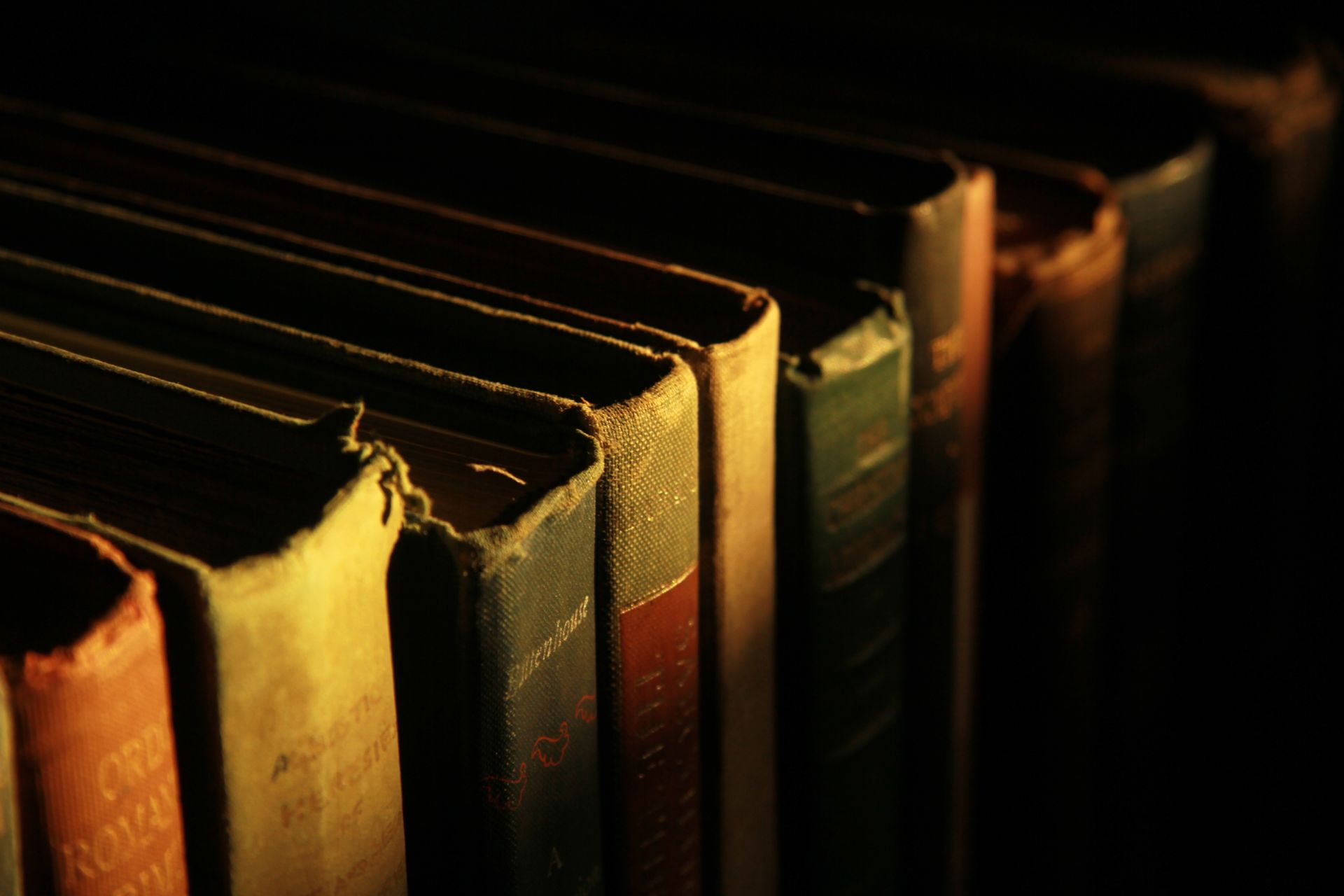
An old book may smell of dust, preserve someone's notes in its margins and pass through several generations of owners. Yet sometimes its history hides something more dangerous than yellowed pages. Arsenic, lead, chromium and even mercury compounds have been found in the bindings of some nineteenth-century books.
The best-known examples are books with vivid green covers. The color once looked luxurious and modern. Today, librarians handle some of these volumes only with gloves and store them in protective enclosures.
The danger was not between the lines
Publishing expanded rapidly during the nineteenth century. Books became more affordable, and publishers looked for ways to make them attractive to buyers. Instead of expensive leather bindings, they increasingly used cloth dyed in rich colors and decorated with embossing.
A bright emerald shade was especially fashionable. Similar pigments were already used in wallpaper, clothing, toys, artificial flowers and household objects. They looked beautiful, resisted fading and could also contain arsenic.
One of these colorants was Paris green, also known as emerald green: copper acetoarsenite. Its color was so appealing that its dangers were underestimated for years.
The book that started a modern investigation
The story took a new turn when conservator Melissa Tedone was working on an 1857 edition of Rustic Adornments for Homes of Taste. The green coating of its cover behaved unusually: the pigment did not simply dye the cloth but could come away from its surface.
Laboratory analysis identified copper acetoarsenite, an arsenic-containing compound, in the binding. Researchers then examined other books and found similar volumes in libraries and private collections.
This work developed into the Poison Book Project, a joint research initiative of Winterthur Museum and the University of Delaware. Its team identifies potentially toxic bindings, maintains a database of known examples and develops safer handling and storage guidance.

Could contain copper acetoarsenite, an arsenic compound. Friable pigment that rubs or flakes away deserves the most caution.
Contains lead and chromium compounds, although it generally remains more firmly bound to the cloth in the books studied so far.
This pigment was made from mercury sulfide. Risk depends not only on composition but also on the condition of the material.
How dangerous is it really?
A book containing arsenical pigment does not necessarily poison a room simply by standing on a shelf. The level of risk depends on the condition of its binding and how the book is handled.
The main concern is friable pigment that leaves invisible particles on hands, tables or nearby objects. These particles may enter the body if someone touches their face, eats or drinks after handling the book. Damp or sweaty hands can increase the transfer of arsenical pigment to the skin.
Damaged bindings with flaking cloth or colored coating require particular care. They should not be scrubbed, vacuumed or repaired at home.
A toxic ingredient also does not create the same level of exposure in every material. Lead has been detected in many nineteenth-century cloth bindings. According to the Poison Book Project, pigments in chrome yellow and chrome green bookcloth generally remain more tightly bound and do not transfer to hands as readily as arsenical emerald green.
What else can hide in a binding?
Green is the most famous suspicious color, but it is not the only one. Chrome yellow used for yellow covers contains lead and chromium compounds. Vermilion red was produced from mercury sulfide.
This is why researchers study more than a book's color. They examine the chemical composition of the binding and whether particles can transfer from it. Two pigments with toxic ingredients may present different levels of risk if one flakes easily while the other remains firmly attached.
Mold on old books is a separate problem. It does not indicate the presence of arsenic, but its spores may irritate the airways and trigger allergic reactions. A moldy volume should also be isolated and assessed by a specialist.
What to do with a suspicious book
What you should do
- limit unnecessary handling;
- wear nitrile gloves;
- work on a hard, wipeable surface;
- wash your hands afterward;
- store the book separately.
What you should not do
- scrape off pigment;
- rub or vacuum the binding;
- use an at-home arsenic test;
- eat or touch your face while handling it;
- discard a confirmed example with ordinary trash.
The Poison Book Project's guidance recommends sealing confirmed or suspected arsenical books in a zip-top polyethylene bag. The bag may then be placed inside a box. If the book has historical or collectible value, contact a conservator, museum or university laboratory.
Old books do not need to be destroyed
A toxic binding does not make a book worthless. Such volumes tell us not only about literature, but also about the history of industry, fashion, chemistry and changing attitudes toward safety.
Libraries do not burn the books they identify. They label and isolate them, move them to special collections and provide access under controlled conditions.
If an owner still chooses to dispose of a confirmed arsenical book, it should not be placed in ordinary household waste. Local hazardous-waste authorities should be contacted for guidance.
Can a book really be poisonous?
Yes, some old books genuinely contain toxic pigments. That does not mean every green volume on a shelf is a deadly threat.
The important thing is not to test it with unsafe home methods, not to damage the binding and to follow basic hygiene. An old book may be more than a rare edition: it can also be a small archive of the industrial chemistry of its time.
Sometimes the danger is in the binding, and sometimes it is in the content. In the first case, gloves help. In the second, critical thinking does.