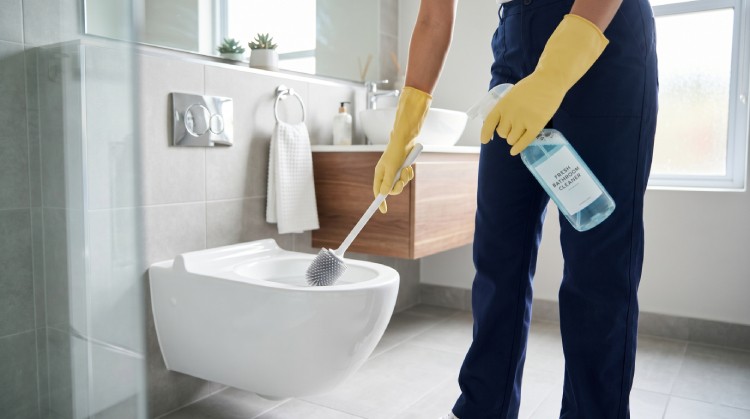
Cleaning the bathroom is far from the most pleasant household chore, but it must be done regularly. Hard tap water makes this process even more difficult, ruthlessly leaving ugly yellow streaks, stubborn limescale, and uric acid buildup on the snow-white walls of your toilet bowl that simply cannot be washed away with normal water.
Fortunately, you do not have to put up with messy-looking plumbing or spend hours in exhausting scrubbing. There are several proven and truly effective methods—ranging from safe, natural homemade remedies to professional household chemicals and specific mechanical cleaning—that will help restore your toilet's pristine whiteness and shine.
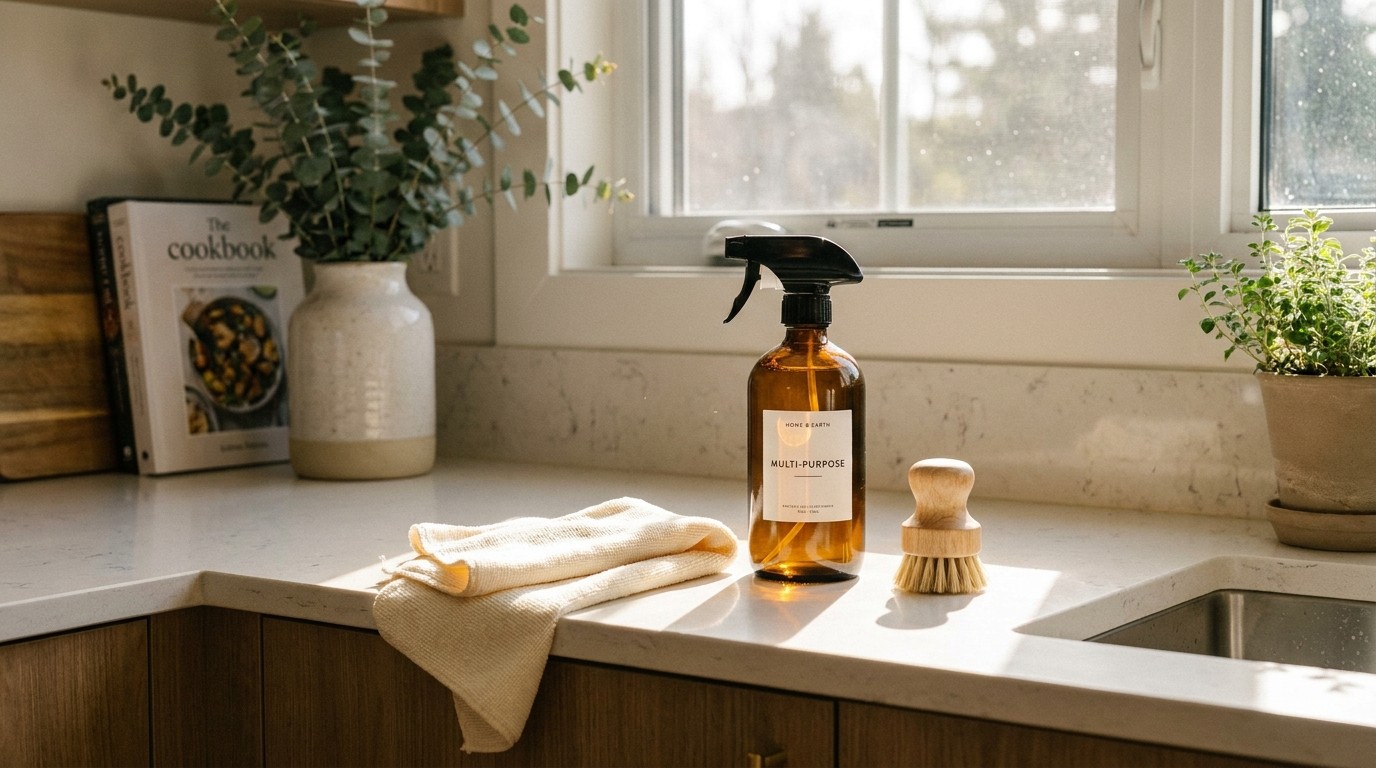
🧽 What You Will Need for Cleaning:
Check off the materials and tools you have before getting to work.
Method 1: The Natural Way (Vinegar and Baking Soda)
Vinegar and baking soda are two of the most versatile, inexpensive, and powerful natural cleaning agents in your kitchen pantry. When combined, they work brilliantly to safely and effectively break down tough hard water stains (limescale) with absolutely no toxic, caustic fumes.
- Measure out 1 full cup of standard white table vinegar. Carefully pour it into the toilet bowl, trying to maximize coverage on the walls, especially where the most noticeable yellow stains are located.
- Leave the vinegar alone to work and soften the scale for 10-15 minutes.
- Generously sprinkle the walls with 1 cup of dry baking soda.
- Immediately after, slowly pour another 1 cup of vinegar directly over the baking soda.
- The mixture will begin to fizz and foam very actively—this is a normal chemical reaction that literally "lifts" the dirt away from the enamel. Let this solution sit and act for 15 minutes.
- Use a stiff toilet brush to thoroughly scrub the softened stains.
- If old traces of scale still remain, do not flush the water right away. Leave the solution in the bowl for another 30 minutes, scrub vigorously with the brush once more, and then finally flush.
Method 2: Specialized Household Chemicals
If you prefer fast, ready-made solutions, the modern market offers a multitude of highly effective products designed specifically to remove stubborn rust and petrified limescale. Commercial formulas based on aggressive acids (such as hydrochloric or oxalic acid) break down the scale much faster than homemade alternatives, but they require caution.
Important: Using powerful commercial chemicals requires maximum caution. Always wear thick rubber gloves, ensure good ventilation in the bathroom (turn on the exhaust fan or open the door), and never mix different cleaning products (for example, never mix bleach with acids) to avoid creating deadly toxic gases.
Method 3: Heavy Artillery (Pumice Stone for Stubborn Stains)
If neither natural solutions nor aggressive acidic chemicals could handle the petrified scale at the bottom of the bowl or the hard water ring at the water level, it is time to apply direct mechanical force. A special cleaning pumice stone is perfect for this task (in hardware stores, it is often sold attached to a long plastic handle for convenience).
⚠️ Careful with Fragile Enamel!
A pumice stone or very fine-grit waterproof sandpaper can gradually wear away even the hardest stone. However, you must use them exclusively wet. A dry, harsh pumice stone is guaranteed to leave deep, irreparable micro-scratches on the smooth porcelain, where dirt and bacteria will subsequently embed themselves much faster and deeper.
How to Properly and Safely Use a Pumice Stone:
- Make sure to wet the pumice stone in warm water immediately before starting work.
- Carefully, without excessive or frantic pressure, rub the stubborn stain or hard water ring.
- Move in a circular motion, periodically dipping the pumice stone back into the water to wash away the scraped-off dirt and avoid scratching the bowl.
- Rinse the walls of the toilet at various intervals (simply by flushing the water) to clearly see the result of your work and avoid scrubbing clean enamel.
- Do a final clean with a soft toilet brush and flush the water one last time.
Returning an old toilet to a state of perfect, store-bought whiteness is a completely possible and achievable goal. Regular, weekly maintenance using mild natural products will reliably help prevent the formation of hard stone, and you will never again have to waste your time and effort resorting to "heavy artillery."