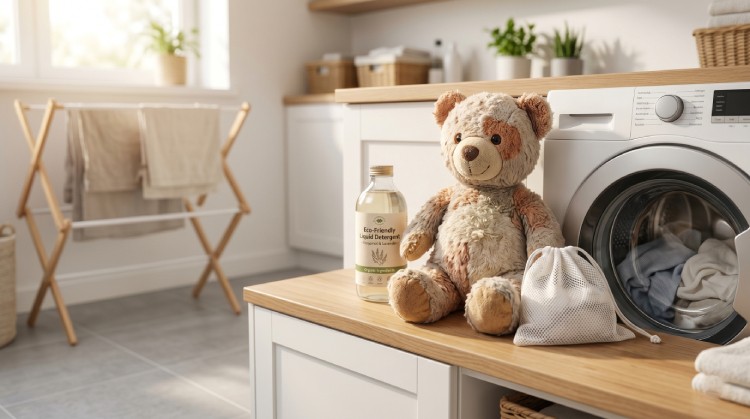
When your child's favorite stuffed animal accidentally drops into a mud puddle, ends up in a dirty sandbox, or simply loses its original freshness from constant daily hugs, you need to act quickly and correctly. Plush, like any textile, intensively accumulates dust, bacteria, and dust mites, which can trigger allergies.
However, simply tossing the toy into the washing machine drum is not always the best idea. Some synthetic fillings clump instantly, and small plastic parts can easily detach or get scratched. In this guide, we will thoroughly break down how to safely restore perfect cleanliness to plush friends using machine washing, delicate hand cleaning, and how to properly care for modern toys with electronics inside.
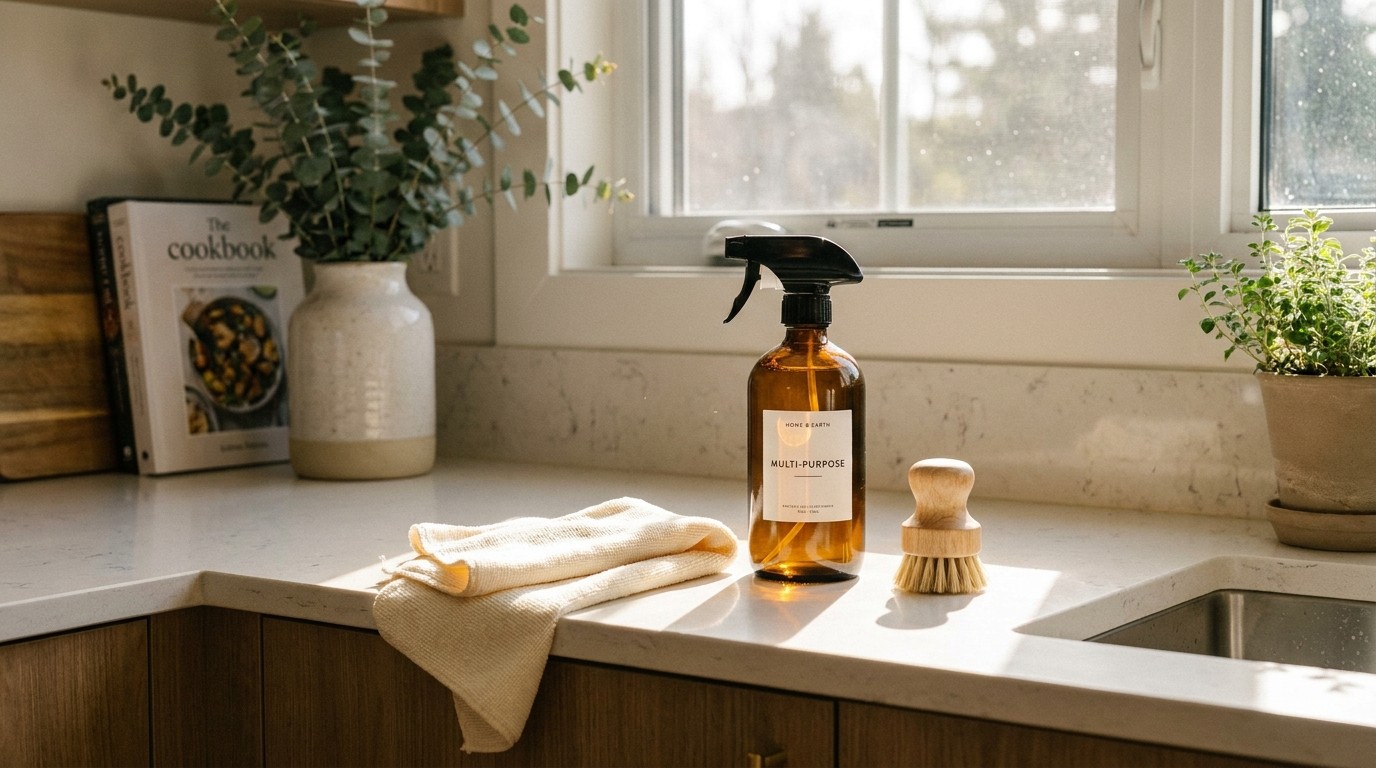
🧽 What You'll Need for Safe Washing:
Prepare these items in advance to ensure the process is as safe as possible for delicate materials.
Rules for Machine Washing Plush Toys
Modern plush toys are often quite durable, as manufacturers understand perfectly well that they are intended for active children's play. Most of them can certainly be machine-washed, but with some mandatory preparation.
- Preparation: Carefully inspect the toy. Pre-treat visible stains (from food, grass, or markers) with a small amount of a paste made from baking soda, white vinegar, or a mild oxygen stain remover. Leave for 15 minutes.
- Hardware Protection: Always place the stuffed animal in a special mesh laundry bag. If you don't have one, use a plain light-colored pillowcase, tying the open end tightly with a knot or a rubber band. This will protect plastic eyes from scratches and keep seams from ripping.
- Cushioning: Never wash the toy alone in an empty drum! Load it together with soft terry towels or fleece blankets so that it doesn't slam against the hard metal walls during the spin cycle.
- Temperature Settings: Set the washing machine to the "Delicate" or "Hand Wash" cycle (with the temperature strictly not exceeding 30-40°C / 86-104°F) with a minimal spin speed (400-600 rpm).
- Drying: Let the toy air dry (on a flat drying rack) in a well-ventilated area. When it is almost dry, you can put it in the tumble dryer for 5-10 minutes on the "Cold Air" or "Fluff" setting to nicely fluff up the matted fur.
⚠️ Which Toys Should NEVER Be Machine Washed?
- Old, vintage, or antique toys (their worn fabric might simply tear to shreds).
- Toys that already have rips or have split along the seams (sew them up first!).
- Items with glued-on (rather than firmly sewn) details—sequins, plastic eyes, or noses (hot water will dissolve the factory glue).
- Toys densely filled with tiny polystyrene beads (beanbag style). If a seam bursts, millions of beads will permanently clog the filters and pump of your washing machine.
- Toys with non-removable musical blocks, batteries, or internal wiring.
How to Properly Hand Wash Delicate Plush Toys
Washing by hand takes a little more of your time, but it 100% guarantees that your little one's favorite item won't be damaged, won't lose its shape, and won't fade.
- Bubble Bath: Fill a clean sink or a deep basin with lukewarm water.
- Soap: Add 1–2 teaspoons of a mild liquid detergent for delicates (or regular dye-free baby shampoo) and lather the water well with your hand.
- Submerging: Fully submerge the toy in the water and gently squeeze it (like washing a dish sponge) so the soapy solution penetrates deep into the stuffing. Let the toy soak for 15–30 minutes.
- Cleaning: Gently rub the most heavily soiled areas (paws, ears) with your fingers or a very soft toothbrush.
- The most important stage: Rinsing. Rinse the toy under cold running water, constantly squeezing it, until the water runs absolutely clear and no more suds appear. Leftover soap will make the plush fur stiff and sticky!
- Drying: Never wring or twist the toy! Wrap it in a thick, dry terry towel and press down hard so the towel absorbs all the excess water. Dry it on a horizontal surface (e.g., on a towel on a table), flipping it occasionally.
Cleaning Interactive Toys (with Electronics)
Stuffed animals that can sing, move, repeat words, or light up absolutely cannot be submerged in water. If the electronic control block or battery compartment cannot be safely removed, you will have to use the surface cleaning method with a damp sponge.

When cleaning toys with batteries, use only a barely damp cloth or microfiber, carefully making sure that water droplets do not get onto internal microchips or wiring.
- Power Off: Be sure to turn the toy off and, if possible, remove all batteries from the compartment.
- Solution: In a small bowl, create a solution of warm water and one drop of baby shampoo or liquid soap.
- Applying: Dip a clean microfiber cloth or soft sponge into this solution and wring it out extremely well (it should be almost dry, only slightly damp).
- Cleaning: Carefully wipe the plush fur, focusing on soiled areas, trying not to press moisture deep into the fabric.
- Rinsing: Take another clean cloth, dampen it in plain clean water (also wringing it out extremely well), and wipe the toy again to remove any leftover soapy residue.
- Drying: Let the toy completely air dry, and only then can you reinsert the batteries and turn it back on.
How Often Should You Wash Stuffed Animals?
If your child is completely healthy, has no dust allergies, and the toy is not taken outside and serves mostly as room decor, washing it once a month (or simply dusting it off on the balcony and wiping it with a damp cloth once a week) is quite enough. However, if it is a favorite plush teddy bear or bunny that the toddler sleeps with every night, eats with, and regularly walks in the park—a delicate wash once every 1–2 weeks is absolutely mandatory to maintain basic hygiene.
Important: After a child has recovered from a cold, viral infection, or stomach bug, absolutely all stuffed animals they came into contact with must be thoroughly washed immediately!