After laundry day, your home can sometimes feel like a drying room. In summer, a balcony or the option to hang clothes outside can help. In winter, you end up using radiators and setting up a drying rack in the room, while the next load is already waiting.
That raises the question: should you buy a separate tumble dryer or a washer-dryer combo? Both options can do their job well. But the difference becomes noticeable in everyday use.
The short answer
A separate washer and dryer are more convenient if you do a lot of laundry and have room for two appliances. While one load is drying, the next can already be washing.
A washer-dryer combo makes sense if space is limited and you want clean, dry clothes without all those winter inconveniences mentioned above.
If your washing machine works well and meets your needs, consider adding a separate dryer first. If the washer needs replacing anyway, it makes sense to compare both options.
An important detail: how much laundry can the machine dry?
Washer-dryers often have different washing and drying capacities. For example, a 10/6 kg rating means up to 10 kg for washing and up to 6 kg for drying on the relevant programmes. Some Haier models have these specifications.
These figures refer to the weight of dry laundry, not wet clothes after washing. Individual programmes may allow even smaller loads.
What does that mean in practice? If you fill the machine to its maximum washing capacity, you will need to remove some items before drying. To run the whole process without stopping, load only as much as the complete cycle allows.
When are two separate machines more convenient?
Imagine a typical laundry day: you need to wash bedding, towels and everyday clothes.
With separate appliances, the bedding can be drying while the towels are washing. In a combo, everything happens in sequence: the next wash cannot start until drying has finished.
That is why two machines are especially useful if you have a lot of laundry or prefer to do it all in one day.
There is another practical advantage: if one appliance needs repairs, you can usually keep using the other. A serious fault in a combo can leave you without both functions at once.
However, you need to make room for the installation and buy two appliances. You also have to transfer the clothes by hand after washing.
When is a washer-dryer combo a good choice?
Its main advantage is simple: one machine does both jobs.
If the load and fabrics suit the selected programme, you can start a wash-and-dry cycle and collect your clothes when it finishes. There is no need to catch the end of the wash to transfer the laundry.
This option is convenient if:
- you only have space for one appliance;
- you wash small or medium loads;
- you do not need to run several washes back to back;
- you mainly need drying in winter or for some of your clothes.
I use a washer-dryer combo myself and am very happy with the results. My model was not cheap, but it does its job well. So the claim that combined machines are necessarily bad does not match my experience.
At the same time, satisfaction depends on the particular model and your habits. Some people are happy with a long complete cycle, while others need to wash another two loads during that time.

What about electricity and water use?
Look beyond the number of appliances and consider how they dry clothes.
Heat-pump tumble dryers reuse heat and generally consume less electricity than models with conventional electric heating. They also operate at lower temperatures. AEG explains how this works.
Washer-dryer combos also use different designs. Some models need water not only for washing but also during drying, to condense moisture. This is described, for example, in LG’s support instructions. So do not assume drying only uses electricity.
Compare consumption for the same job: washing and drying roughly the same amount of laundry. With two separate machines, you need to include the consumption of both.
The European energy label for a washer-dryer gives separate figures for washing and the complete wash-and-dry cycle. A good washing-only rating does not mean the same performance for the complete cycle. The label also shows water use, capacity and programme duration. See the European Commission’s explanation.
Do two machines have to stand side by side?
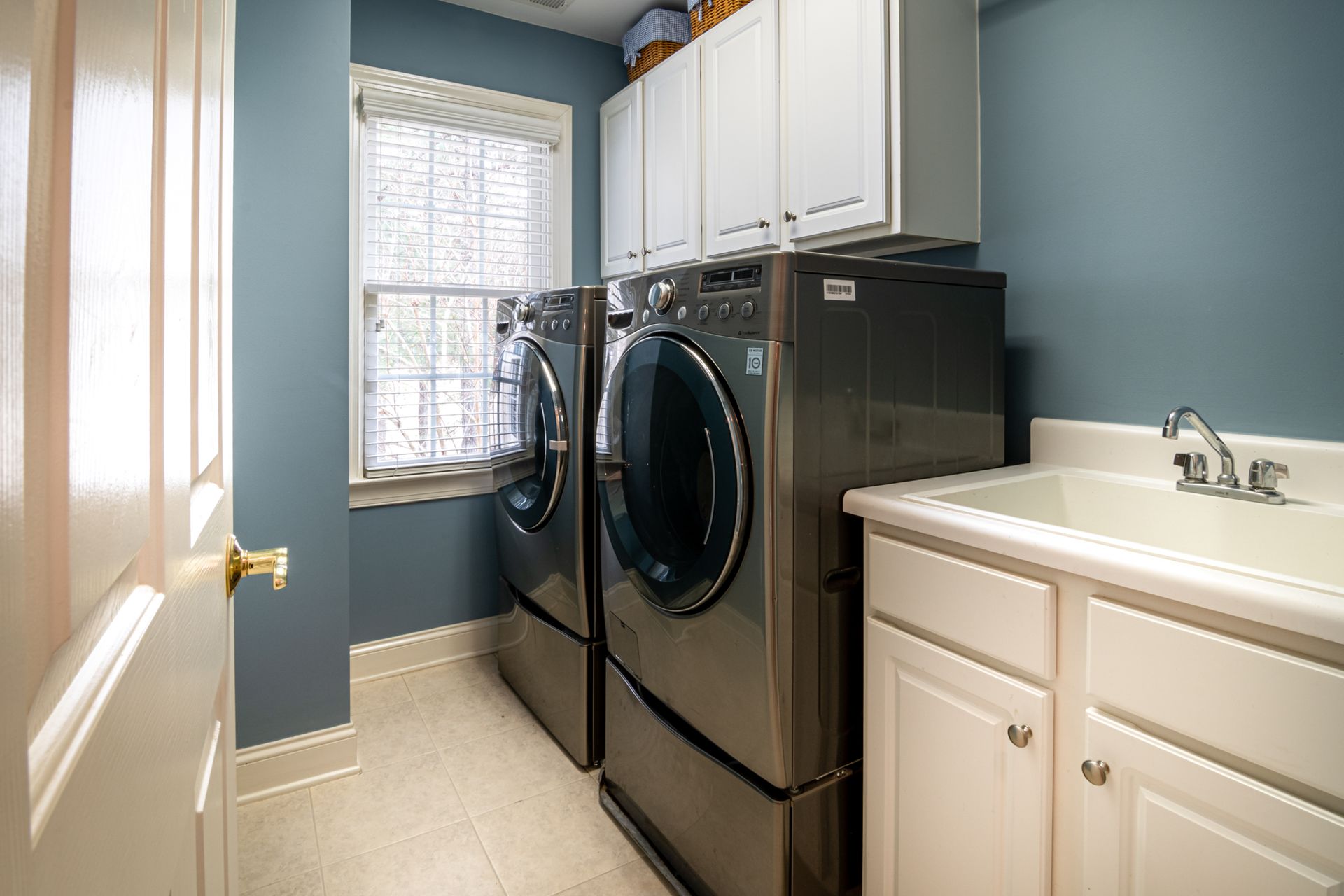
Not always. A compatible tumble dryer can be installed above a washing machine using the appropriate stacking kit. They then take up roughly the same floor space but need more height.
The dryer goes on top and the washer underneath. Check appliance and kit compatibility in the manufacturer’s instructions. Bosch, for example, provides a separate stacking-kit compatibility table.
Another detail: a separate tumble dryer does not always need a drain connection. Many condenser models, including heat-pump dryers, collect water in a container that needs emptying. Direct drainage may be an additional option. AEG explains how this works.
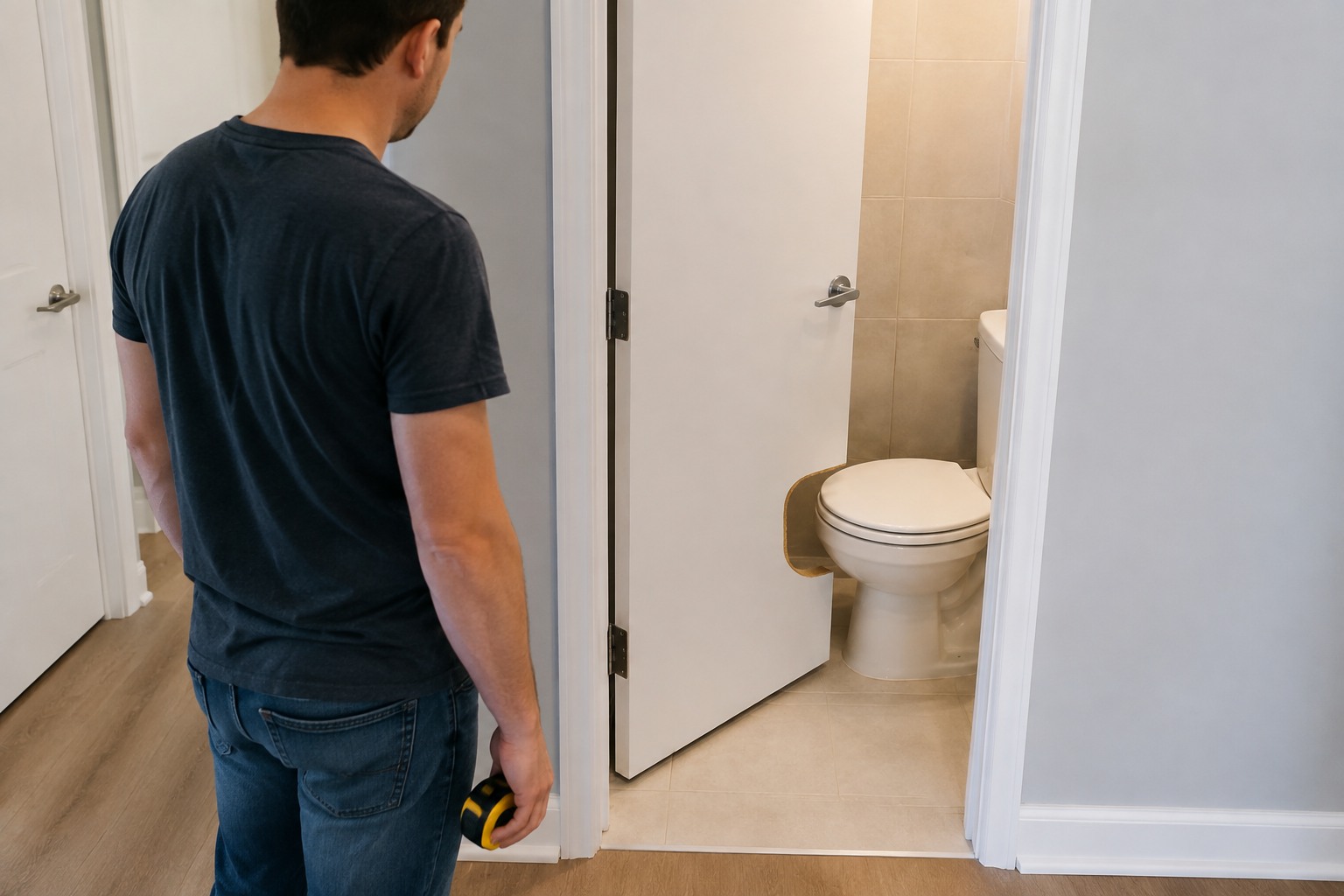
Before buying, measure not only the width of the space but also the depth, allowing for doors, hoses and the required clearances.

Which dries better and is gentler on clothes?
Temperature, programme, load size and the machine’s ability to detect remaining moisture all matter. A separate dryer may have more specialised programmes, but their number alone does not guarantee better results.
For everyday use, it is worth checking:
- whether there is automatic drying to the required dryness level, rather than just a timer;
- the permitted load for cottons, synthetics and mixed fabrics;
- whether there are programmes for the fabrics you wear;
- how to clean the filters and remove lint.
Overloading and an unsuitable programme can spoil the results even with an expensive machine. Some items cannot be tumble-dried at all — check the garment care label.
A quick comparison
| What matters | Washer-dryer combo | Separate washer and dryer |
|---|---|---|
| Space | One appliance | Two appliances side by side or stacked |
| Several loads | Washing and drying happen in sequence | One load can wash while another dries |
| Transferring clothes | Not needed for a suitable complete cycle | Required after washing |
| Drying capacity | Often lower than washing capacity | Chosen separately to suit your loads |
| Running costs | Depend on the design and complete cycle | A heat pump generally makes drying more economical |
| Repairs | Both functions may become unavailable at once | The working appliance remains available |
Which should you choose?
Decide based on your budget and available space. A separate tumble dryer will always be a good choice, but combined machines are not as bad as some online comments suggest if you choose a quality product.