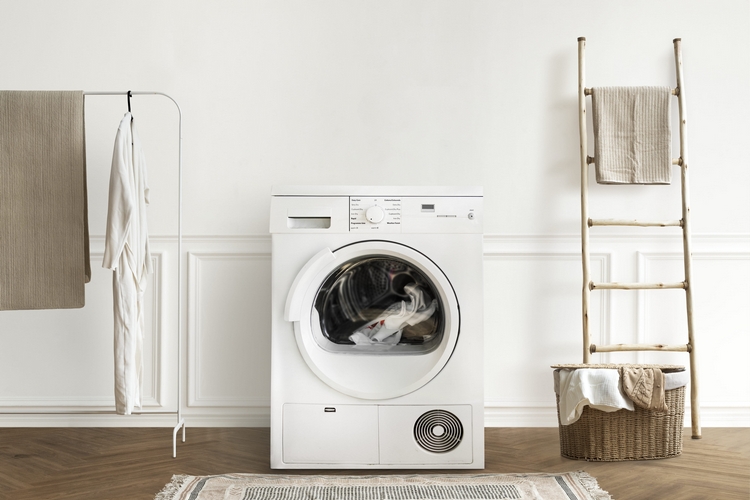
Modern washing machines are reliable and durable helpers, but they can very quickly become clogged with undissolved detergent residue, hard limescale, and fine lint from dirty laundry. If not given proper attention, this inevitably leads to persistent unpleasant odors, mold growth, and serious technical breakdowns.
By regularly following a few absolutely simple home maintenance steps, you can significantly extend the lifespan of your precious appliance and constantly keep it in perfect, hygienic condition. For your convenience, we have divided these preventative steps into clear timeframes.
⚠️ Safety First!
Please always double-check and ensure that your appliance is completely turned off and physically unplugged from the electrical outlet before starting any maintenance work (this is especially important when cleaning drain filters, checking hoses, or moving heavy equipment).
Washing Machine Regular Maintenance Schedule
Monthly Care (Basic Hygiene):
- Cleaning the detergent drawer: Completely remove the plastic drawer (usually, you need to gently press a small colored release tab inside the fabric softener compartment) and wash it thoroughly under warm running water. Use an old toothbrush to remove clumped residue of gels and powders.
- Clean door glass: Wipe the inner convex part of the glass door with a damp cloth or microfiber cloth with a drop of vinegar to remove stubborn soap scum and restore the glass's transparency.
- Inspecting the rubber seal: Carefully peel back the wide fold of the rubber door seal (boot). This is exactly where water constantly stagnates and all the dirt, hair, lost coins, and bobby pins accumulate. Wipe this area thoroughly dry.
- Maintenance wash (Self-cleaning): Run the machine on its longest empty cycle (with no laundry inside) at the highest temperature (60-90°C / 140-194°F). Add a commercial descaler, washing machine cleaner, or a cup of white vinegar directly into the drum. This effectively flushes out dirt, grease, and bacteria from hidden internal hoses.
- Working the valves: At least once a month, close and reopen the water supply valve (tap) to the washing machine. This is necessary so the valve mechanism doesn't get seized up by hard water, ensuring you can quickly and easily shut off the water in the event of a sudden leak or emergency.

Statistics show: most unpleasant odors disappear forever after a thorough cleaning and drying of the hidden folds in the rubber door seal.
Every 6 Months (Technical Inspection):
- Cleaning the drain filter: This filter is usually located at the very bottom of the front panel of the machine (behind a small plastic door or removable kick-panel). Place a shallow container (drip tray) or lay down a thick towel underneath it to catch any remaining dirty water (up to half a liter might spill out). Carefully unscrew the filter counterclockwise and clean it of compressed lint, hair, buttons, and small items. Rinse under the tap and screw it tightly back into place.
- Checking the hoses: Slightly pull the machine away from the wall and visually and physically check the connections of the inlet (water supply) and corrugated drain hoses. There should absolutely be no micro-cracks, bulging, kinks, or signs of water leaks.
How to Safely Move a Washing Machine
Some important maintenance tasks (e.g., checking rear hoses, vacuuming dust underneath, or repairs) require moving the appliance. Washing machines are extremely heavy (often weighing between 60 to 80 kg / 130 to 175 lbs) due to the massive concrete counterweights installed inside to balance the centrifuge. Therefore, moving should be done with maximum care so as not to damage your back or the floor:
- To avoid scratching your tile, laminate, or linoleum, slightly tilt the appliance backward and carefully slide a piece of smooth hardboard, thick cardboard, or special Teflon furniture glides under the front adjustable feet.
- When pulling the machine away from the wall, hold exclusively onto the inner sturdy edge of the metal body (the door opening) or the top lid near the back wall. Never pull by the plastic or glass door itself, the detergent drawer, or the control panel—they are very fragile and can easily break off.
- Be extremely careful not to stretch the water supply hoses and power cable too much while moving, otherwise you risk stripping the threads on the pipe.
Based on advice from the professional repair guide by eSpares.