A squeeze of lemon does not make a salad twice as nutritious, and black pepper does not turn turmeric into medicine. Still, the foods in a meal can affect how much of certain nutrients the body is able to absorb.
The most useful pairings do not require complicated rules. Three principles cover much of what matters: dietary fat helps with carotenoid absorption, vitamin C improves the absorption of nonheme iron, and adequate vitamin D supports calcium absorption and metabolism. No food pairing, however, can repair an otherwise limited diet or replace treatment for a diagnosed deficiency.
What “better absorption” actually means
The amount of a nutrient listed in a food and the amount the body eventually uses are not the same. Its chemical form, cooking method, other parts of the meal, digestive health, and individual needs can all affect the outcome.
Scientific papers also distinguish between two related ideas. Bioavailability describes the portion of a substance that is absorbed and becomes available to the body. Bioaccessibility often describes how much is released from a food in a laboratory digestion model. That is a useful stage to measure, but it is not the same as showing how much enters a person’s bloodstream.
- improve absorption of a particular nutrient;
- make a meal more satisfying or enjoyable;
- help build a more varied plate.
- “maximum nutrition” from every ingredient;
- prevention or treatment of disease;
- correction of a deficiency without diagnosis and appropriate care.
1. Colorful vegetables with a source of fat
Carrots, winter squash, tomatoes, bell peppers, and leafy greens contain carotenoids. These compounds are fat-soluble, so having fat in the same meal can improve their absorption.
In a 2023 randomized crossover trial, 16 adults ate the same salad with different types and forms of fat. Emulsified fat produced a higher overall carotenoid response in the blood than nonemulsified fat, while olive oil performed better overall than coconut oil. Every test meal contained 28 grams of fat, however, so the trial did not establish a minimum or universal amount of oil for a homemade salad.
- Carrots or winter squash
Add a little oil before roasting, or serve them with seeds, nuts, or a tahini-based sauce. - Tomatoes
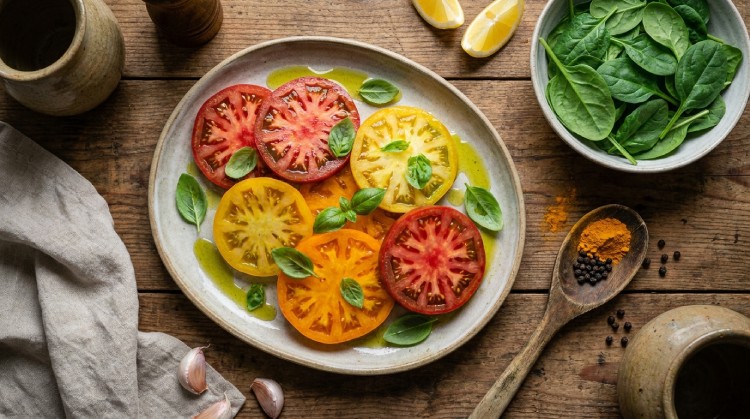
Use oil in a salad or tomato sauce. Heating can change lycopene bioaccessibility, but the effect depends on the food and the cooking method. - Leafy greens
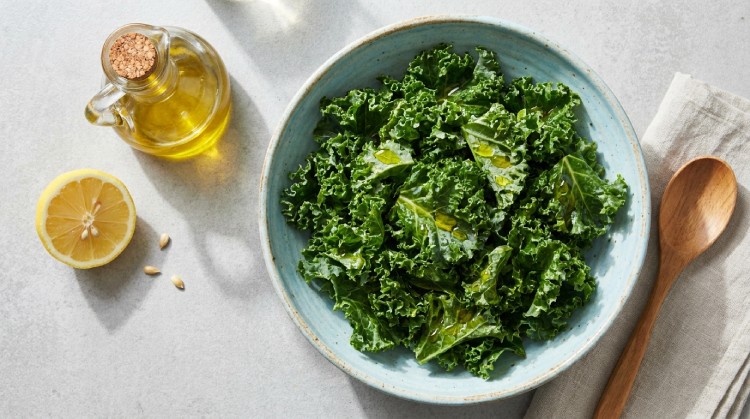
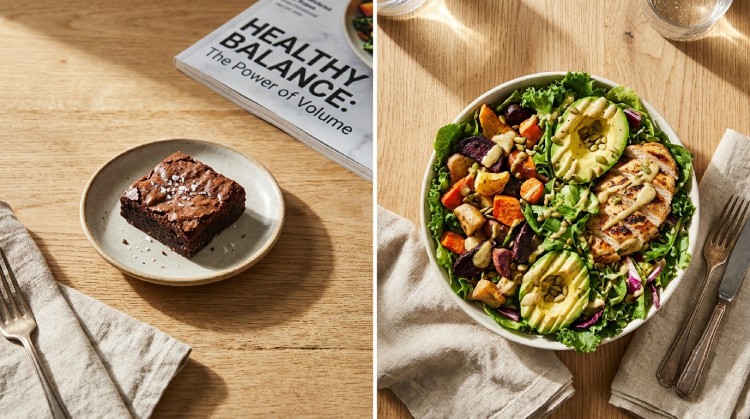
Dress the salad with oil, or add avocado, seeds, or nuts. The greens do not need to be drenched in fat; a normal component of a complete meal is enough. - A mixed vegetable salad
An oil-based dressing, hummus, or a handful of seeds is more practical than trying to calculate a “perfect” fat dose for every carotenoid.
Olive oil is not the only correct choice. Canola, sunflower, or another oil can work when its flavor and cooking properties suit the dish.
2. Plant-based iron with vitamin C
Iron from meat and iron from plant foods are absorbed differently. Beans, lentils, grains, seeds, nuts, and fortified foods contain nonheme iron, which is more affected by the composition of a meal. Vitamin C can convert it into a form that is easier to absorb.
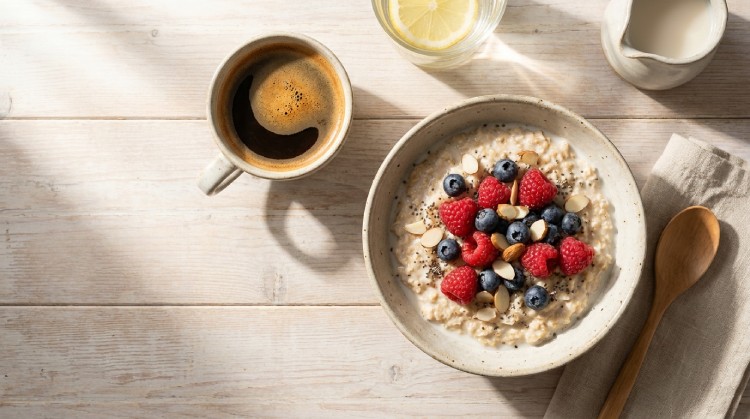
This does not mean every spoonful of oatmeal needs lemon juice. It is more useful to include vegetables, berries, or fruit with a plant-based source of iron in the same meal.
Easy pairings for everyday meals
- lentils with tomatoes or broccoli;
- black beans with bell peppers and salsa;
- chickpeas or hummus with lemon and fresh vegetables;
- beans in tomato sauce;
- iron-fortified oatmeal or cereal with berries or fruit.
Vitamin C does not turn nonheme iron into heme iron, and it cannot guarantee that a deficiency will disappear through food alone. If bloodwork confirms low ferritin or iron-deficiency anemia, follow a clinician’s treatment plan instead of relying only on food combinations.
Tea and coffee may be better between meals
Polyphenols in tea and coffee can reduce nonheme iron absorption. For most people, one cup is not a reason to reorganize an entire diet. If you have an iron deficiency or eat a primarily plant-based diet, however, it can be sensible to drink tea or coffee between meals rather than with your main source of iron.
3. Calcium and adequate vitamin D
Vitamin D is required for active calcium absorption in the intestine. This does not make calcium and vitamin D a magical pair that must be consumed in the same bite. What matters more is getting calcium regularly and maintaining adequate vitamin D status over time.
Calcium sources include dairy foods, fortified plant beverages, fish with edible bones, certain types of tofu, and some green vegetables. Vitamin D occurs naturally in relatively few foods, including fatty fish, and is also added to some fortified products. Needs can vary with sun exposure and other individual factors.
High-dose supplements should not be self-prescribed. If you are at risk of deficiency, discuss whether testing or supplementation is appropriate with a clinician.
Turmeric and black pepper: where the “2,000%” claim came from
The widely repeated figure comes from a small pharmacokinetic study published in 1998. Participants received 2 grams of isolated curcumin, then the same dose with 20 milligrams of piperine. Under those conditions, the researchers reported a 2,000% increase in the relative bioavailability of curcumin.
This was not a study of a home-cooked meal, and it does not prove that a pinch of pepper makes curry 20 times more beneficial. The percentage was calculated from a very low baseline, and doses of isolated compounds cannot be equated directly with culinary amounts of spices.
Turmeric and black pepper can be combined for flavor. Concentrated curcumin products and ingredients designed to increase absorption use different doses and may carry different risks. They should not be treated as a culinary therapy or added casually to a medication routine.
Not every useful nutrient has to meet on one plate
Some pairing rules create unnecessary anxiety around ordinary food. Different plant proteins, for example, do not have to be combined at every meal to provide all essential amino acids. A varied diet can supply them across the day.
Likewise, calcium and vitamin D do not have to appear in the same dish, and a vegetable without an oily dressing does not become “useless.” Pairings can optimize particular steps, but nutrition works as a pattern rather than a collection of rigid couples.
Five ordinary meals that put these ideas into practice
- Lentil bowl with tomatoes and greens
Lentils provide nonheme iron, while tomatoes and other vegetables add vitamin C. A normal dressing helps with carotenoid absorption. - Black beans, brown rice, peppers, and salsa
The beans contribute plant-based iron and protein, while bell peppers and tomatoes bring vitamin C. Avocado or a little oil supplies fat. - Roasted winter squash with seeds
The squash contains carotenoids, while seeds add fat, protein, and texture. It does not need a separate “activating” dressing. - Leafy salad with vegetables and nuts
Fat from nuts or a regular dressing supports absorption of fat-soluble compounds and makes the meal more satisfying. - Yogurt with berries and oats
This is a convenient combination of protein, calcium, fiber, and fruit. Its value comes from the meal as a whole, not from one ingredient magically amplifying another.
When general nutrition advice is not enough
Fatigue, weakness, and other changes in how you feel do not point to one specific nutrient problem. Do not try to treat them with large doses of iron, vitamin D, or other supplements on your own. Discuss the symptoms with a clinician first and determine whether testing is appropriate.
What to remember
Useful food pairings exist, but they are much simpler than most “food synergy” lists suggest.
- Include a moderate source of fat with meals built around colorful vegetables or leafy greens.
- Pair beans, lentils, grains, and other sources of nonheme iron with foods that provide vitamin C.
- If you have an iron deficiency, avoid using tea or coffee to wash down your main iron-containing meals.
- Think about calcium and vitamin D across your overall eating pattern, not a single plate.
- Treat dramatic percentages with caution: a laboratory result, a supplement, and a home-cooked meal are not interchangeable.
The most reliable goal is not to find a perfect pair. It is to build a varied eating pattern in which vegetables, beans, grains, protein foods, and sources of fat naturally support one another.
Sources
- Yao et al., 2023 — fat type, emulsification, and carotenoid absorption from salad
- NIH Office of Dietary Supplements — iron and nonheme iron absorption
- Cambridge University Hospitals — vitamin C, tea, coffee, and iron absorption
- NIH Office of Dietary Supplements — calcium and the role of vitamin D in absorption
- Shoba et al., 1998 — curcumin pharmacokinetics with piperine
- NCCIH — turmeric, curcumin, and supplement safety