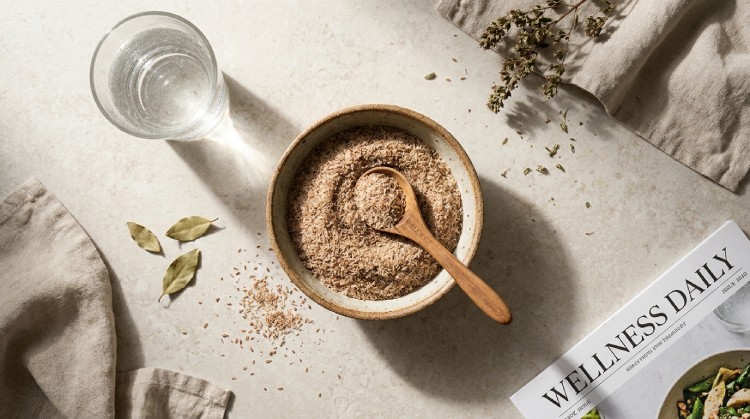
Psyllium is the outer husk of Plantago ovata seeds and is rich in soluble fiber. When mixed with water, it swells and forms a gel. That property explains most of its practical effects: psyllium can help regulate bowel movements, while regular intake of soluble fiber may also support lower LDL cholesterol.
Psyllium vs. chia: what they have in common
Psyllium is sometimes described as “better than chia,” but that comparison is too simplistic. Chia seeds provide fiber along with fats, protein, and micronutrients. Psyllium is used mainly as a concentrated source of viscous soluble fiber. It is more useful to choose the product that fits your goal than to declare one a universal winner.
What psyllium is commonly used for
- Bowel regularity. Its gel holds water and adds bulk, which is why psyllium is commonly used for constipation. In some cases, it can also help make loose stools more formed.
- Extra soluble fiber. It can be useful when getting enough fiber from food alone is difficult.
- Cholesterol support. Soluble fiber from psyllium can be part of an eating pattern aimed at lowering LDL cholesterol.
- Fullness. Psyllium expands with water and may help you feel full longer, but it is not a stand-alone weight-loss treatment.
💧 The key rule: use enough water
Do not swallow psyllium dry. Mix it with the amount of liquid stated on the product label and drink it promptly before it becomes very thick. Too little fluid can increase the risk of difficulty swallowing or blockage.
How to start
If your usual diet is low in fiber, begin with a small amount and increase gradually. A sudden jump in fiber intake can cause gas, bloating, or cramping. Follow the dose on the specific product instead of relying on a universal “maximum dose.”
When to be cautious
Psyllium can affect the absorption of some medicines. If you take regular medication, have a bowel disorder, have difficulty swallowing, or plan to use psyllium every day, discuss it with a doctor or pharmacist.
Psyllium in a normal diet: do you actually need a supplement?
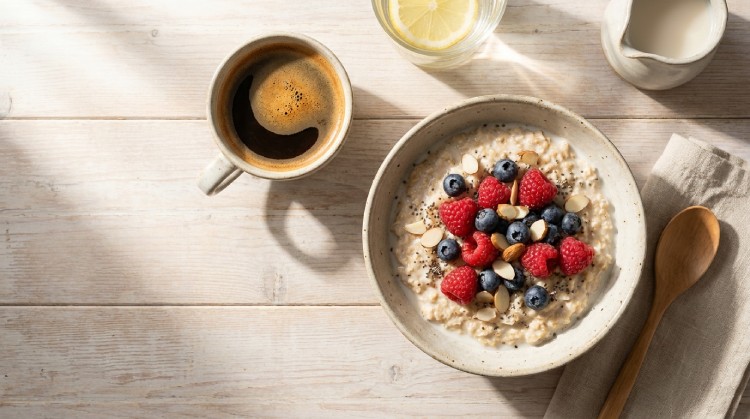
Psyllium is convenient because it can raise soluble-fiber intake quickly, but it should not crowd out ordinary foods. Vegetables, berries, fruit, legumes, oats, whole grains, nuts, and seeds provide fiber together with protein, vitamins, minerals, and many plant compounds. A sensible approach is to improve the overall diet first and use psyllium as an additional tool when useful.
Ways to use psyllium
The simplest method is to mix it with water and drink it according to the product instructions. Small amounts are also used in oatmeal, yogurt, and baking. Because psyllium binds water quickly, recipes often need extra liquid. It is especially common in gluten-free baking, where it can help retain moisture and improve dough structure.
Increase fiber gradually
If your digestive system is not used to a high-fiber diet, increasing intake too quickly can cause bloating, cramping, and discomfort. A gradual increase, together with enough fluid, is usually easier to tolerate.
Can psyllium be used every day?
Many people can use psyllium regularly when it is well tolerated and taken as directed. Daily use should not, however, become a way to ignore persistent digestive symptoms. Constipation, diarrhea, abdominal pain, or a major change in bowel habits that continues should be evaluated rather than managed indefinitely with more fiber.
Frequently asked questions
Does psyllium have to be taken on an empty stomach?
No. For most people, the exact time of day is not critical. Adequate fluid, tolerance, and appropriate spacing from medications matter more.
Will it help with weight loss?
It may increase fullness, but body-weight change still depends on the overall diet, energy balance, physical activity, sleep, and other factors. Psyllium is not a fat burner.
Can it replace vegetables?
No. Psyllium provides concentrated fiber but not the full range of nutrients found in whole plant foods.