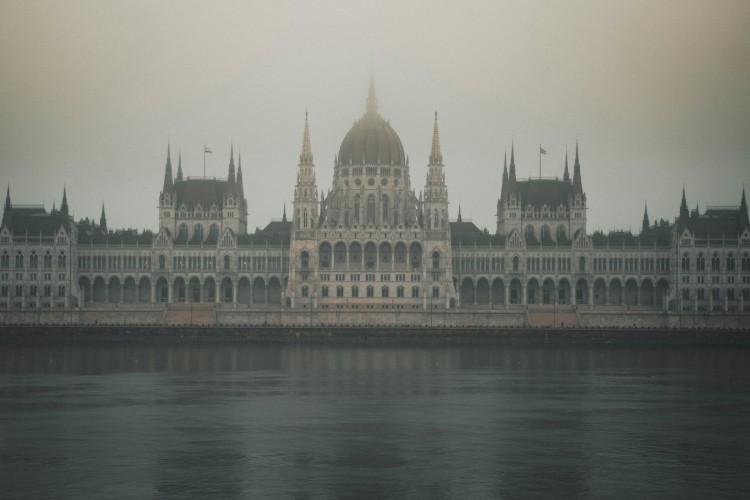
The Hungarian Parliament Building (Országház) is not just a government facility; it is the majestic calling card of Budapest and the largest, most expensive building in the entire country. Its exquisite Gothic silhouette, reflecting perfectly symmetrically in the waters of the Danube River, is one of the most recognizable and photographed architectural vistas in all of Europe.
This monumental structure impresses with its sheer scale: it stretches 268 meters (879 feet) along the embankment and contains nearly 700 rooms. Let's take a look behind the facades of this masterpiece and uncover its main secrets.
A Masterpiece of Neo-Gothic Architecture
The massive construction project began in 1885 to commemorate the 1,000th anniversary of the Hungarian conquest of the Carpathian Basin, and it took 19 years to complete. The chief architect, Imre Steindl, was openly inspired by the famous Palace of Westminster in London. This is why the building boasts such a pronounced Neo-Gothic style, featuring hundreds of sharp spires, intricate stone lacework, and pointed arches.
Fascinating symbolism is hidden in the height of the central dome—it is exactly 96 meters (315 feet) tall. This is the exact same height as the nearby St. Stephen's Basilica. This architectural decision symbolizes the absolute equality of state and religious power in the country. Furthermore, the number 96 refers to the year 896, when Hungarian tribes first settled in these lands.
To decorate the lavish, sprawling interiors of the Parliament, builders used approximately 40 kilograms (88 pounds) of pure 22-carat gold and over half a million precious and semi-precious stones.
The Holy Crown and National Treasures
Today, the interior of this giant building houses more than just the sitting government. Securely displayed under the main central dome is the country's most important historical relic: the Holy Crown of Hungary (the Crown of St. Stephen), which was used to crown over 50 Hungarian kings throughout the centuries. It rests alongside the royal scepter, orb, and Renaissance sword.
These invaluable relics are guarded 24 hours a day, 365 days a year, by an elite honor guard in historical uniforms wielding drawn sabers. The changing of the guard ceremony, which occurs regularly, is a spectacular sight for tourists.
Guided Tours: How to See the Interior
Despite being a functioning government institution, the Parliament opens its doors to visitors daily. You can explore the spectacular grand staircase adorned with frescoes, the opulent Upper House session hall, and the magnificent Dome Hall housing the crown. You can view the interiors only as part of an organized guided tour. Tickets sell out incredibly fast, so it is highly recommended to purchase them online via the official website several weeks before your trip.
How to Take the Perfect Photo: Secret Spots
Because the Parliament is so colossal, it is physically impossible to capture the entire building from up close—it simply won't fit in your camera lens. Here are the three best locations for the perfect shot:
- Batthyány tér (Batthyány Square): Located on the opposite (Buda) bank of the Danube, directly across from the Parliament. This spot provides that classic, symmetrical "postcard" view.
- Danube River Cruise: Book an evening boat cruise. When the golden architectural illumination is turned on at night, the Parliament looks like a magical glowing castle floating on the water.
- Fisherman's Bastion: From the terraces of this hilltop bastion, you can capture breathtaking panoramic shots of the Parliament set against the river and the wider cityscape.