A pinch of cayenne pepper can change the flavor of an entire dish. People add it to soups, sauces, meat, and vegetables—and sometimes even hot chocolate. There is more to this pepper than heat: fresh chilies contain vitamins and plant compounds, while researchers study the substance responsible for their burn. What do you actually get from cayenne, and what can you reasonably expect from it?
What is cayenne pepper?
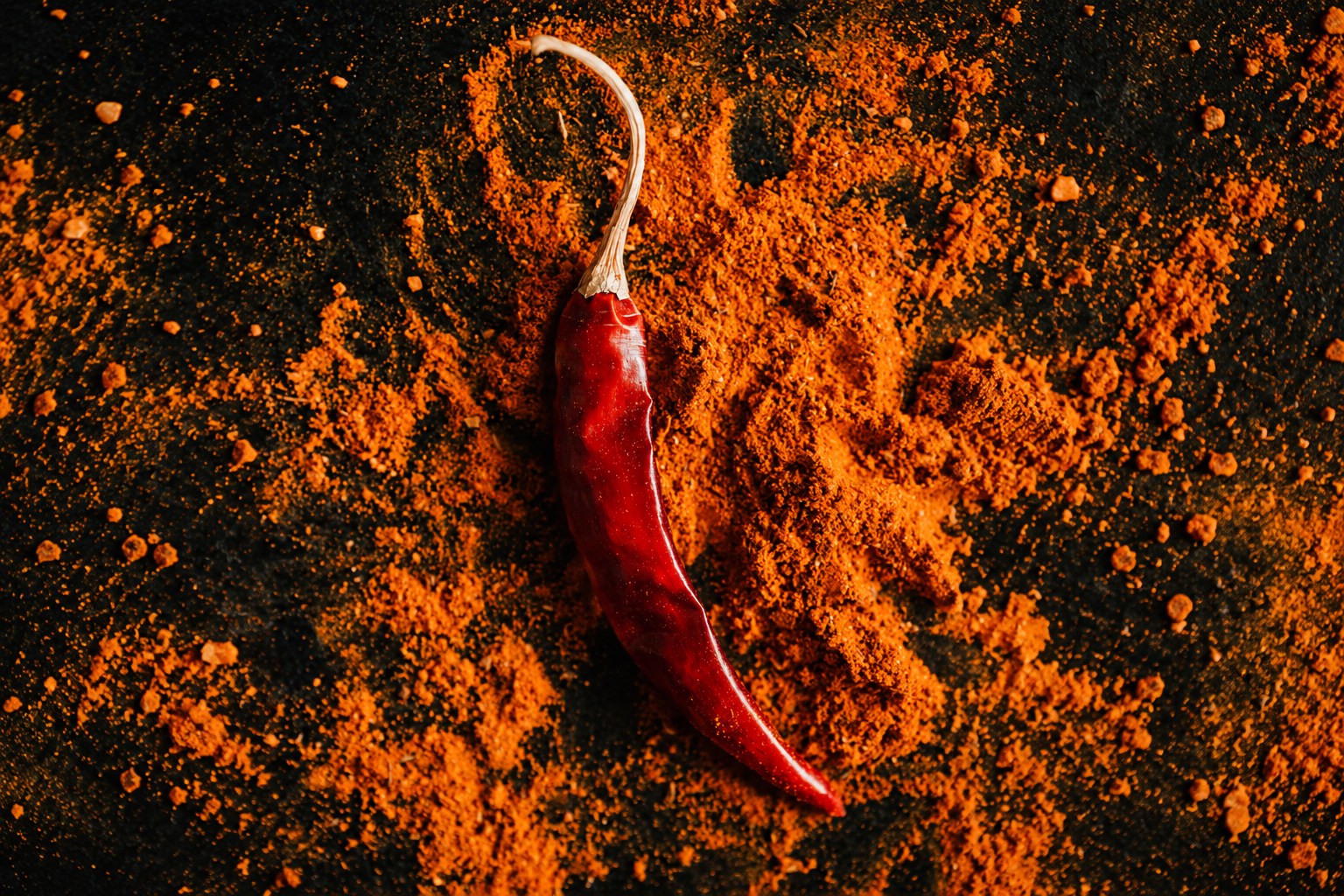
Cayenne is a type of hot chili pepper. You can use it fresh, although it is more commonly sold dried and ground. The powder is easy to add to cooked dishes a little at a time.
Capsaicin is responsible for cayenne’s characteristic heat. Its concentration varies, so two jars of the spice will not necessarily taste equally hot.
What nutrients does it contain?
Fresh red hot chilies contain vitamin C, vitamin B6, and carotenoids—plant pigments, some of which the body can turn into vitamin A. They also provide small amounts of fiber and potassium. According to USDA data, a fresh red hot chili weighing about 45 g may contain roughly 65 mg of vitamin C. The exact amount depends on the variety and size of the pepper.
Ground cayenne is a different story. The dried spice still contains carotenoids and other nutrients, but most people use only a pinch or part of a teaspoon at a time. Its main contribution to a meal is flavor.
Why are researchers interested in capsaicin?
Capsaicin acts on receptors that produce the sensation of heat. Researchers have also studied its effects on appetite and energy expenditure. In some studies, people briefly used a little more energy or ate less after consuming capsaicin. Those findings suggest an effect, but they do not establish cayenne pepper as a weight-loss method on its own. The U.S. National Institutes of Health reviews the evidence.
Exercise performance. Studies of supplements containing capsaicin or related compounds have found small improvements in muscular-endurance exercises. They have not found a convincing benefit for running and other aerobic-endurance activities. A meta-analysis of endurance studies.
Circulation and blood sugar. Capsaicin can create a feeling of warmth and local skin redness. Whether eating cayenne improves circulation throughout the body is not known. Researchers have also investigated blood sugar. Some small studies looked promising, but an analysis of controlled trials did not find a lasting improvement in glucose or insulin measures overall.
Could hot pepper be good for the heart?
In large studies, people who regularly ate hot peppers had a lower risk of dying from heart disease than those who rarely ate them. But we cannot be sure the peppers caused that difference: participants also varied in their overall diets, habits, and health. A review of observational studies.
The most straightforward practical benefit is that cayenne brings bold flavor to food. If you enjoy heat, it is another way to add variety to home cooking.
How can you use it in cooking?

Start with a small pinch: it is easy to add more heat but difficult to remove it from a finished dish. Ground cayenne works well in tomato sauces, stews, beans, roasted vegetables, eggs, and marinades. You can blend it with paprika and other spices for a flavor that is more than just hot.
Add fresh pepper to food in small pieces, gradually finding the amount you enjoy. Wash your hands thoroughly after cutting it and avoid touching your eyes. If you are handling many hot peppers, gloves are a good idea: capsaicin can strongly irritate skin and eyes. Poison Control offers handling advice.
When should you take it easy with spicy food?
If hot food gives you heartburn, pain, or other discomfort, there is no need to eat cayenne “for your health.” Spicy dishes can aggravate reflux symptoms for some people, so pay attention to your own response. NIDDK guidance on reflux and diet.
Concentrated capsaicin supplements deserve separate consideration; they are not the same as a culinary amount of spice. If you take medication, have a chronic condition, or are considering such supplements during pregnancy, speak with a healthcare professional first.
Cayenne pepper has interesting properties, but its best place is in the kitchen. It can bring a new flavor to a familiar meal, while a fresh pepper adds nutrients too. If you enjoy spicy food and tolerate it well, that is reason enough to include it in your meals from time to time.