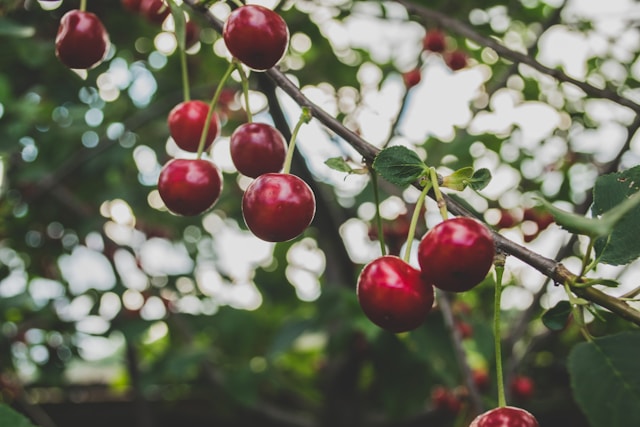
What could possibly be better than stepping out into your own backyard on a warm summer morning to pick a handful of juicy, sun-warmed cherries right off the branch? Many people abandon this dream, mistakenly believing that growing fruit trees requires acres of open land. However, modern horticulture offers a brilliant solution: the dwarf cherry tree. Not only does it save precious square footage in your yard, but it also transforms into a breathtaking landscape centerpiece during its spectacular spring bloom.
Why Choose a Dwarf Cherry Tree for Your Small Garden?
The primary and undeniable advantage of dwarf trees is their incredible compactness. Because they are grafted onto specialized dwarfing rootstocks, they naturally stop growing at a highly manageable height of about 6 to 8 feet (2-2.5 meters). This means you will never again have to balance dangerously on a tall ladder during spring pruning or the summer harvest. The most delicious fruit is always right at arm's reach!
Before buying a sapling, it is crucial to decide exactly what you want to grow. Tart cherries (also known as sour or pie cherries), which are good for baking, making jams, and freezing, are almost always self-fruitful (self-pollinating). This means that even a single, solitary tree in your yard will consistently set fruit and yield a heavy harvest. On the other hand, if you prefer eating fresh sweet cherries, you will more than likely need to plant two trees of different varieties that bloom at the same time to ensure successful cross-pollination.

In the spring, a dwarf cherry tree looks like a fluffy white cloud, becoming the absolute aesthetic focal point of your property.
How to Plant a Dwarf Cherry Tree: Soil, Sunlight, and Spacing
Cherry trees are quite hardy and, with the right approach, can bear abundant fruit for twenty years or more, but they require a flawless start. While they are generally cold-tolerant, it is very important to choose varieties specifically rated for your USDA hardiness zone. This will reliably protect the delicate blossoms from sudden late-spring frosts, which are the most common cause of a lost harvest.
When it comes to the actual planting, remember the golden rule: it is much better to dig a wide hole than a deep one. The cherry tree's root system loves to spread outward horizontally in the upper, warmest, and most fertile layers of the soil.
Cherries adore the sun! Choose the brightest spot in your yard with excellent air circulation. The soil must be fertile and capable of holding some moisture, but completely free of standing water—excellent drainage is critical, otherwise the sensitive roots will quickly succumb to rot.
Despite its "dwarf" status, the tree still needs personal space to breathe and develop a proper canopy. The recommended minimum spacing for solitary plants, as well as the width between rows, is about 10 feet (3 meters) in every direction.
Companion Planting: What to Grow Under Your Cherry Tree
Experienced organic gardeners know that leaving the soil bare and constantly tilled around the trunk is far from the best option. Create ecological green corridors in your orchard! Sow white clover or other low-growing legumes around the base of the trees. These act as a good "living mulch," fixing and enriching the soil with nitrogen, and most importantly, they massively attract bees and other beneficial pollinators, which directly and positively impacts the fruit set on your cherry tree.
Cherry Tree Pests and Diseases: Protecting Your Harvest
Because most cherries ripen so early in the season, they very often successfully "dodge" the peak summer activity of many garden diseases. However, you shouldn't drop your guard. Here are the three main challenges every cherry grower must be prepared for:
- Competition with Birds: Feathered foodies (like starlings and jays) can strip your tree bare much faster than you even realize the berries are ripe. The dwarf size of the tree plays right into your hands here—simply drape a lightweight plastic bird net over the canopy a week or two before the mass harvest.
- Brown Rot (Monilinia): In regions with frequent, cold spring rains, this dangerous fungal disease can massively infect blossoms and young shoots (making them look as if they've been scorched by fire). The best prevention is proper late-winter pruning, which ensures free wind circulation inside the canopy, preventing moisture from lingering on the leaves.

How to Control the Cherry Fruit Fly Organically
If the cherry fruit fly is aggressively active in your region (this is the pest whose larvae make your cherries "wormy"), you must act preventatively. The golden rule of a clean orchard is: never leave fallen or spoiled fruit rotting under the tree! Meticulously gather all the fallen fruit ("windfalls") into a thick, airtight plastic bag and leave it sitting in the hot sun for a minimum of 7 days. sustained heat can reduce larval survival, but it should not be treated as a guarantee that every larva is destroyed. It is strictly forbidden to throw infested berries directly into your compost bin, as the pest will happily overwinter there and strike your orchard even harder next year.
Growing a dwarf cherry tree is an very fascinating and rewarding process that doesn't require back-breaking physical effort, but can be a rewarding addition to a small garden. By planting such a miniature tree, you are making a wonderful investment in the spring beauty of your yard and fresh summer fruit for your family for many years to come.
A practical checklist before you use the advice
- confirm the rootstock, vigor, and mature size before planting;
- check the exact cultivar’s pollination needs and whether a potential partner overlaps in bloom;
- choose a site with good drainage and enough sun; prolonged waterlogging is harmful to many fruit crops;
- keep the graft union above soil unless guidance for the specific plant says otherwise;
- base pruning on tree age, fruiting habit, and canopy condition rather than calendar month alone.
Additional verified references: University of Minnesota Extension — Growing Fruit in Home Gardens; RHS — Grow Your Own Fruit, Vegetables & Herbs.