Plant spacing can be one of the most confusing things in gardening. However, biointensive spacing allows you to create an incredibly productive garden even in a very limited space.
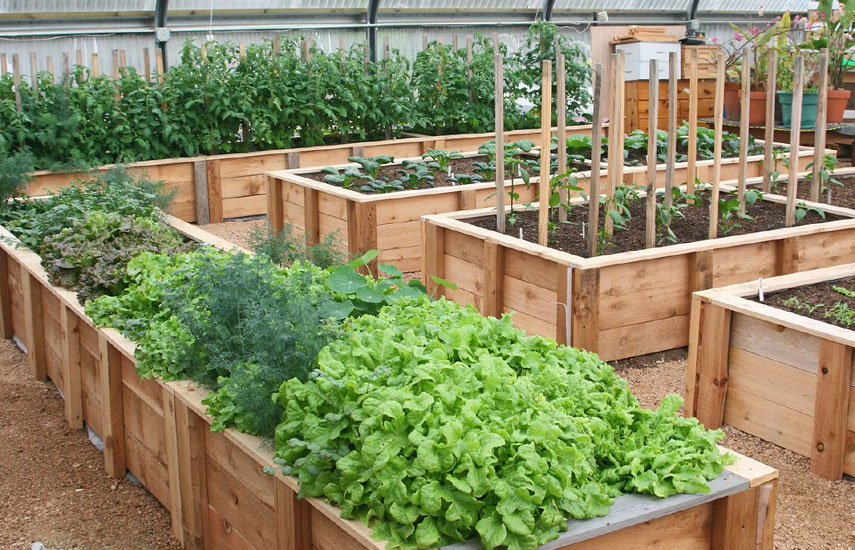
When you plant vegetables, the spacing often depends heavily on your growing method. Traditional seed packet instructions are usually designed for long rows in a field, where a lot of space is wasted on walking paths. In raised beds, we don't need to walk on the soil, meaning we can plant much closer together.
The Benefits of Biointensive Growing

Dense planting creates natural shade for the soil, retaining moisture and suppressing weeds.
I practice biointensive planting. This means plants are spaced so that their leaves gently touch each other when mature. This creates a "living mulch" that protects the soil from drying out under the scorching sun and leaves weeds with no chance to grow due to a lack of light.
Seed vs. Seedling Spacing
It's important to remember the golden rule: if you are direct-sowing seeds into the garden, sow them a little denser. Once the seedlings reach a few centimeters tall, you can thin them out to the required spacing, leaving only the strongest and healthiest sprouts.
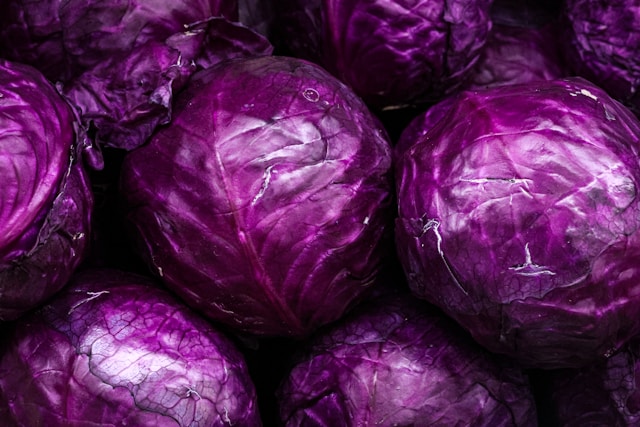
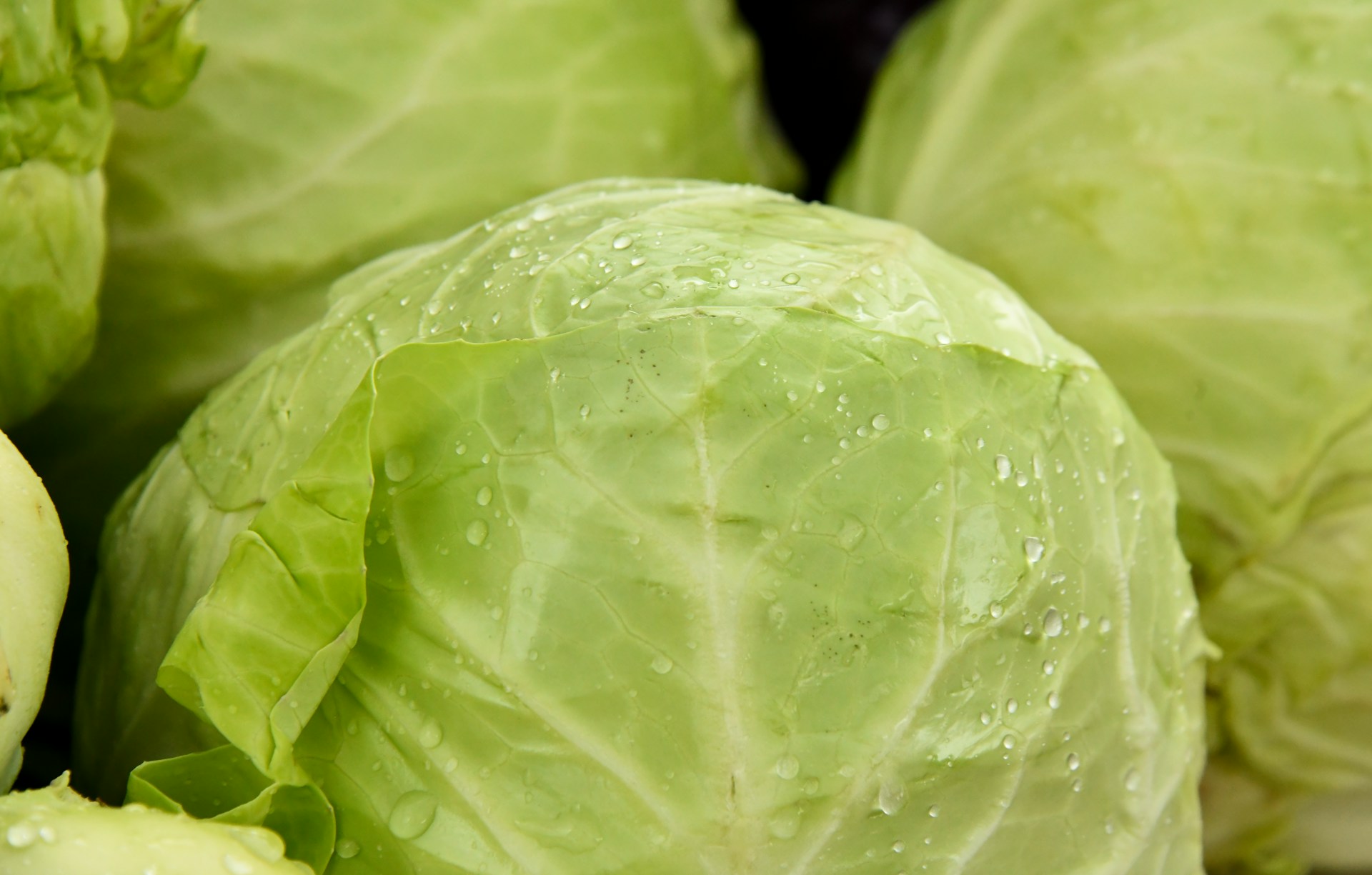
For example, a mature cabbage needs 38-46 cm of space, but it’s best to sow a seed every 10-15 cm. You don't have to throw away the pulled extra sprouts — you can use them as nutritious microgreens in your salads!
Interactive Spacing Guide
Use this search tool to instantly find the perfect planting distance for any crop in your raised bed.
| Plant | Spacing Distance |
|---|---|
| Amaranth | 15 cm |
| Artichokes | 61-91 cm |
| Arugula | 10-15 cm |
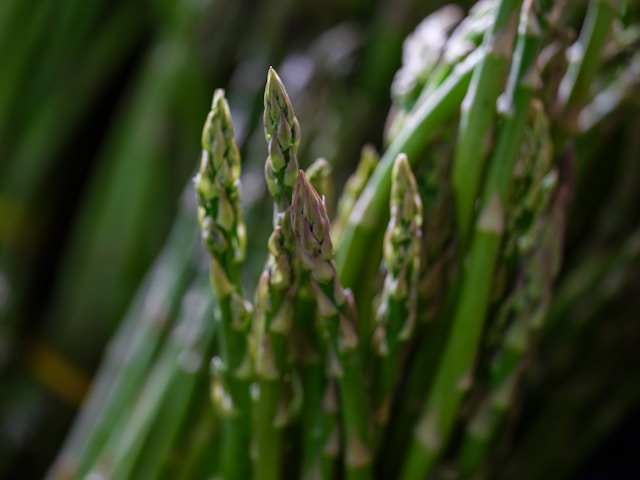
| Asparagus | 30 cm |
| Basil | 30-46 cm |
| Beets | 8 cm |
| Broccoli | 38-46 cm |
| Brussels Sprouts | 46 cm |
| Bush Beans | 8-10 cm |
| Cabbage | 23-30 cm |
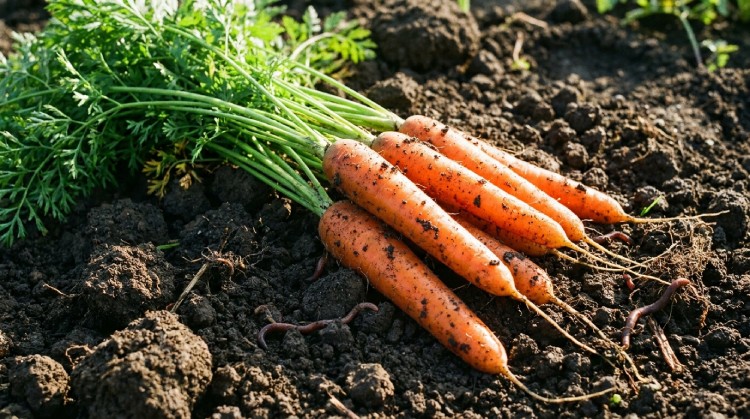
| Carrots | 5-8 cm |
| Cauliflower | 30-41 cm |
| Celery | 20-25 cm |
| Chives / Green Onions | 5-8 cm |
| Corn | 20-25 cm |
| Cucumbers (trellised) | 10-15 cm |
| Dill | 15-25 cm |
| Eggplant | 46 cm |
| Garlic | 8-10 cm |
| Kale | 20 cm |
| Lettuce (head) | 25 cm |
| Lettuce (leaf) | 8-15 cm |
| Melons | 41-46 cm |
| Onions (bulbing) | 8-13 cm |
| Parsley | 10-15 cm |
| Peas | 5-8 cm |
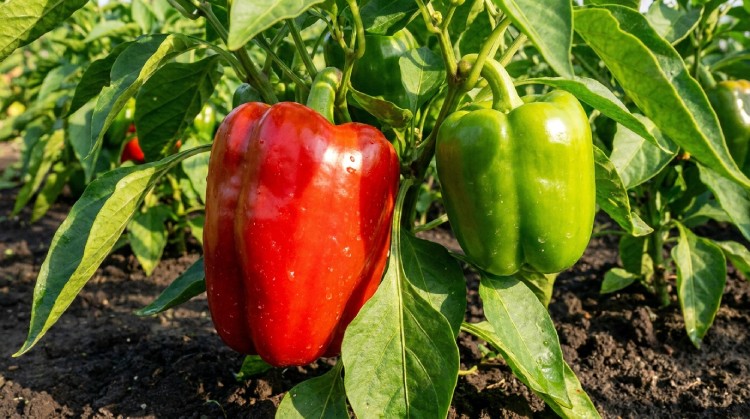
| Peppers | 30-41 cm |
| Pole Beans | 5-8 cm |
| Potatoes | 20-30 cm |
| Pumpkins | 61-91 cm |
| Radishes | 5-10 cm |
| Spinach | 8-10 cm |
| Sunflowers | 46-71 cm |
| Swiss Chard | 15-23 cm |
| Tomatoes (determinate/bush) | 30-46 cm |
| Tomatoes (indeterminate/vining) | 46-61 cm |
| Zucchini / Summer Squash | 46-61 cm |