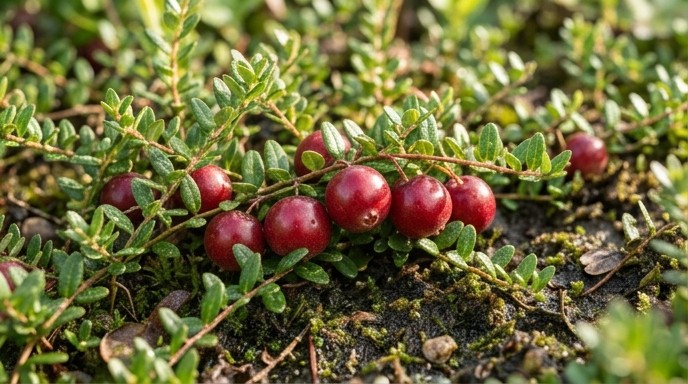
Cranberries are an incredible natural powerhouse of Vitamin C and antioxidants. While we are used to buying them fresh at the supermarket for holiday sauces or spotting them in wild bogs, did you know that you can successfully grow these luxurious ruby-red berries right in your own backyard? Although cranberries have highly specific environmental requirements, once you establish their ideal habitat, they will reward your family with bountiful harvests for decades to come.
This unique evergreen groundcover is not suited for a standard vegetable bed where you grow tomatoes or cucumbers. It requires a fundamentally different approach: mimicking a wetland bog and strictly controlling soil acidity. Let's break down exactly how to transform a corner of your garden into the ultimate productive cranberry patch.
Soil Requirements: Preparing the good Cranberry Bed
The ultimate tip to successfully growing cranberries is remembering that they are native to acidic woodland bogs. The absolute best location for them is a specially prepared, sunken garden bed (or trench) that retains moisture exceptionally well, or planted directly along the damp edge of a decorative garden pond. They thrive in full sun but will also tolerate light, dappled shade.
This is the most critical factor! Cranberries only grow in highly acidic soil with a pH between 4.0 and 5.5. Standard garden loam or potting soil will quickly kill them. You must completely replace the native dirt and create a custom mix using acidic sphagnum peat moss, pine needles, and coarse horticultural sand.
Cranberry bushes aggressively spread outwards as groundcovers, so leave a minimum of 24 inches (60 cm) of space between plants and rows. The best companion plants are other acid-loving species, such as blueberries, rhododendrons, azaleas, and dwarf conifers.
Cranberry Care: Mulching and the Rules of Watering
The first three years after planting are crucial for the development of a strong, expansive root system. During this establishment phase, the young plants demand your utmost attention. Every spring, you must top-dress (mulch) the root zone with an acidic compost, pine bark, or fresh peat moss (about 1-2 inches thick). This not only feeds the plant but reliably locks in the soil moisture that cranberries so desperately crave.

The ideal location: the moist banks of a pond or a specially built, sunken "bog bed" that holds water efficiently.
The Golden Rule of Watering
Never water your cranberry plants with standard municipal tap water or deep well water! This water is generally "hard" and contains high levels of calcium and lime, which will rapidly neutralize your soil's acidity, inevitably leading to the plant's death. You must exclusively use soft, collected rainwater for irrigation.
Patience Pays Off: When to Expect Your First Harvest
Growing cranberries is a beautiful investment of your time and patience. Do not expect buckets of berries in the very first year. The plants only begin to produce a reliable, full harvest about three years after planting. However, the wait is entirely worth it: a mature, healthy, and well-established cranberry patch can produce abundant fruit for many decades!
By curating the good "acidic bog" environment for cranberries, you won't just gain an endless supply of healthy berries for fresh juices, holiday sauces, and baking. You will also cultivate a stunning evergreen groundcover that brilliantly beautifies the lowest, wettest corners of your garden landscape.
A practical checklist before you use the advice
- confirm the rootstock, vigor, and mature size before planting;
- check the exact cultivar’s pollination needs and whether a potential partner overlaps in bloom;
- choose a site with good drainage and enough sun; prolonged waterlogging is harmful to many fruit crops;
- keep the graft union above soil unless guidance for the specific plant says otherwise;
- base pruning on tree age, fruiting habit, and canopy condition rather than calendar month alone.
Additional verified references: University of Minnesota Extension — Growing Fruit in Home Gardens; RHS — Grow Your Own Fruit, Vegetables & Herbs.