The right time to plant potatoes is one of the key factors that directly impacts your future harvest. If you plant too early, the tubers might rot in the cold soil, and if you plant too late, the plants will miss out on spring moisture and won't have enough time to develop fully.
You cannot plant potatoes simply "by the calendar" because the weather changes every year. In 2026, you should focus not just on the specific month, but on the actual soil temperature and general weather conditions. This is the only way to choose the good moment for planting.
When to Plant: Timing by Region

Do not rush to throw tubers into cold soil — wait for consistent warmth.
In most temperate regions (like Ukraine), the mass planting of potatoes traditionally begins in mid-April. In southern areas, this process can start a bit earlier — by late March or early April. Conversely, in northern regions, it is better to wait until late April or even early May.
In western areas, the optimal window usually falls in the middle or second half of April, once the threat of prolonged, cold spring rains has passed.
The Main Indicator — Soil Temperature
The most important indicator is the soil temperature. Before planting, the earth must warm up to at least 8–10°C (46–50°F) at a depth of about 10 centimeters (4 inches). If the soil is still cold or overly wet, the potatoes can sit dormant for weeks, or worse, begin to rot.
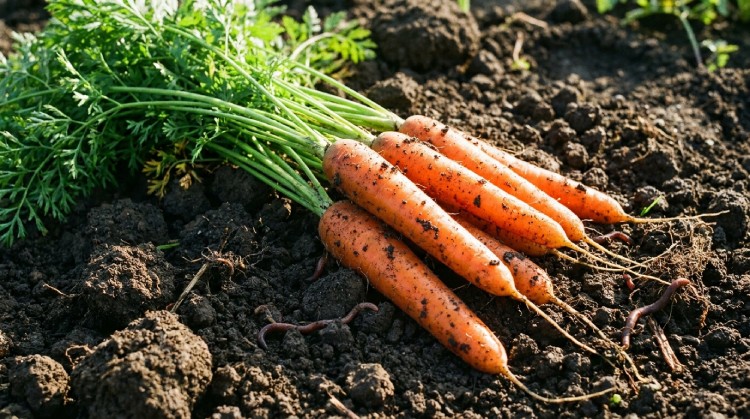
A good visual and tactile sign is that the soil becomes crumbly: it is easy to work with, does not stick to your hands or tools, and does not form heavy, wet clods.
Folk Signs and Nature's Cues
There are time-tested natural signs that well help determine the right time for planting. For example, when birch buds begin to open, or when dandelions bloom en masse — it is a sure sign that the soil has warmed up sufficiently. While these cues aren't strictly scientific, they align phenomenally well with real agronomic conditions.
Preparing Tubers and the Planting Process

Pre-sprouting (chitting) accelerates seedling emergence by 10-14 days.
Do not rush to plant if weather forecasters warn of severe night frosts. Even if the tubers are already in the ground, a sudden and prolonged cold snap can damage the early sprouts and significantly reduce overall yields. It is also strictly discouraged to plant potatoes in overly wet, "muddy" soil.
Before planting, it is crucial to properly prepare your seed material:
- Sprouting (Chitting): 3–4 weeks before planting, lay the tubers in a single layer in a bright, cool room (12–15°C / 53–59°F). This encourages the growth of strong, thick, green sprouts, which will help the plant emerge much faster.
- Selection: Choose medium-sized tubers for planting (about the size of a chicken egg), free from cuts, dark spots, or any signs of disease.
- Depth: Plant potatoes at a depth of approximately 8–10 centimeters (3–4 inches). In light, sandy soils, you can plant them slightly deeper.
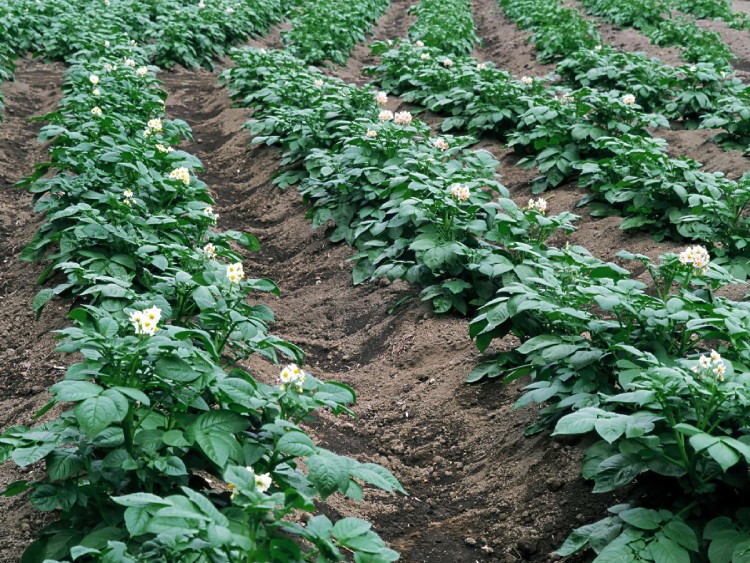
- Spacing: The optimal distance between bushes in a row is 25–30 cm (10–12 inches), with 60–70 cm (24–28 inches) between the rows. This ensures the plants get enough light, space for root development, and makes future hilling much easier.
a key factor to a Good Harvest
To get a large crop of potatoes, it is vital not only to guess the weather right but also to follow crop rotation. It is highly discouraged to plant potatoes in the same spot year after year — this catastrophically depletes the soil and provokes the multiplication of Colorado potato beetles and late blight. Be sure to add compost or wood ash to the planting holes and remember to hill the plants periodically.
Conclusion
The ideal time to plant potatoes is when the soil has warmed to 8°C (46°F), the threat of severe frost has passed, and the earth is crumbly and doesn't stick to your shovel. In most cases during spring 2026, this will be the period from mid-April to early May, but always pay close attention to the weather forecast in your specific region.
A practical checklist before you use the advice
- confirm that the crop fits your frost-free season and available sunlight;
- check soil structure and drainage; a fine, uncompacted surface matters especially for small seeds;
- adjust sowing and transplanting dates to soil temperature, frost forecasts, and the cultivar’s days to maturity;
- water to avoid repeated swings from very dry to saturated soil;
- if the same problem returns each year, consider crop rotation rather than relying only on feeding or sprays.
Additional verified references: RHS — Grow Your Own; University of Minnesota Extension — Planting the Vegetable Garden.